The artist & the work
Jory A. Jones
Artist, Mathematician, Philosopher
In the artist’s words
My practice consists primarily of painting and drawing while also utilizing photography, video, and performance. In my work, I explore the relationships between abstract and concrete objects, the dialog between artist and viewer, and how and to what extent my audience can have the same internal experience as the artist. I am autistic and, from a very early age, used art to communicate my inner thoughts when words failed to materialize. While I have since developed my verbal ability, the primacy of the image in communicating one’s inner universe, with the immediacy, urgency, and relative degrees of freedom to which a viewer can form their own interpretation, visual media grants, makes it still the primary vessel I employ to get my feelings across.
The immediacy of image, whereby the viewer is bombarded by the totality of a work’s syntactical content at first glance, necessitates the existence of well-defined landmarks to orient the viewer. These landmarks in my work come in the form of straightforward representational depictions of concrete physical objects. Examples of landmarks include the motif of the dog, people (whether that be the artist himself, protesters, police, soldiers, etc.), and inanimate objects (such as fire, mountains, and man-made structures). Our minds construct these landmarks by analyzing disparate sense data through conceptual filters, which then combine to form a unity. This process, however, relies on our individual conceptual schema and thus can and is often distinct from other people. You may have a slightly different understanding of color, texture, or force than I do. So when you perceive, say, the violence of “The First of May,” it may not instill the same level of shock and sorrow that it does to me.
Most of this work combines these representational images with abstraction. Abstraction to me, rather than being the opposite of representation, is representational of abstract objects or “universals.” All concrete forms are constructed out of abstract attributes that may choose to come together in disparate regions of the canvas, paper, or screen and combine to form these concrete and discrete landmarks. The use of metal in my work emphasizes the fact that this work exists as a two-dimensional anthropogenic representation while at the same time imitating an idealized reality. Simplified forms aim at universality. Complex representational work comes to border photorealism in some disparate instances and harbors a false sense of certainty albeit with limited recognition as it, by itself, has limited context. The blending in between mimics my thought process of connecting the two regions with paint or graphite, undulating between idealized concepts and a random sense interference with emotion and whim dictating how thick or think of what precise color I may choose. Oil is the best for this task as the paint’s slow drying time makes counted blending and blurring of one well-defined area most effortless.
This is an imperfect way of capturing the act of thought, as all human communication is, at some level, dependent on analogy. We use both verbal utterances and visual forms that are abstract to different degrees. That way, our audience can attach their own analog of these different concepts that make up our individual experiences. Without art, we lose the acknowledgment of each other’s humanity. The police in “The First of May,” for instance, aim to enforce their ideology without recognizing the protestors as individuals, and thus violence results. One result could be what is seen in “News Camera Obscura,” where a person’s view of the world is completely filtered through an ideological lens constructed by those in power. However, as seen in “Pachacutti,” the aim of the powerful to project their will in perpetuity is doomed to fail as the lordsman can never truly understand their subjects. When an object is sufficiently abstract that it is not bound to material objects and simple enough for our minds to fully ingest it, however, we, both the artist and the audience, may fully consume it. We can become one with it, with its being simultaneously existing in mind-independent reality and our minds at the same time. I am not vain enough to claim my work definitely contains these precise elements, but it at minimum, makes a valiant attempt. My art aims to both penetrate the mental palaces of its audience as well as claim objective universal forms as its own.
Selected works
Choose a work to read its art statement
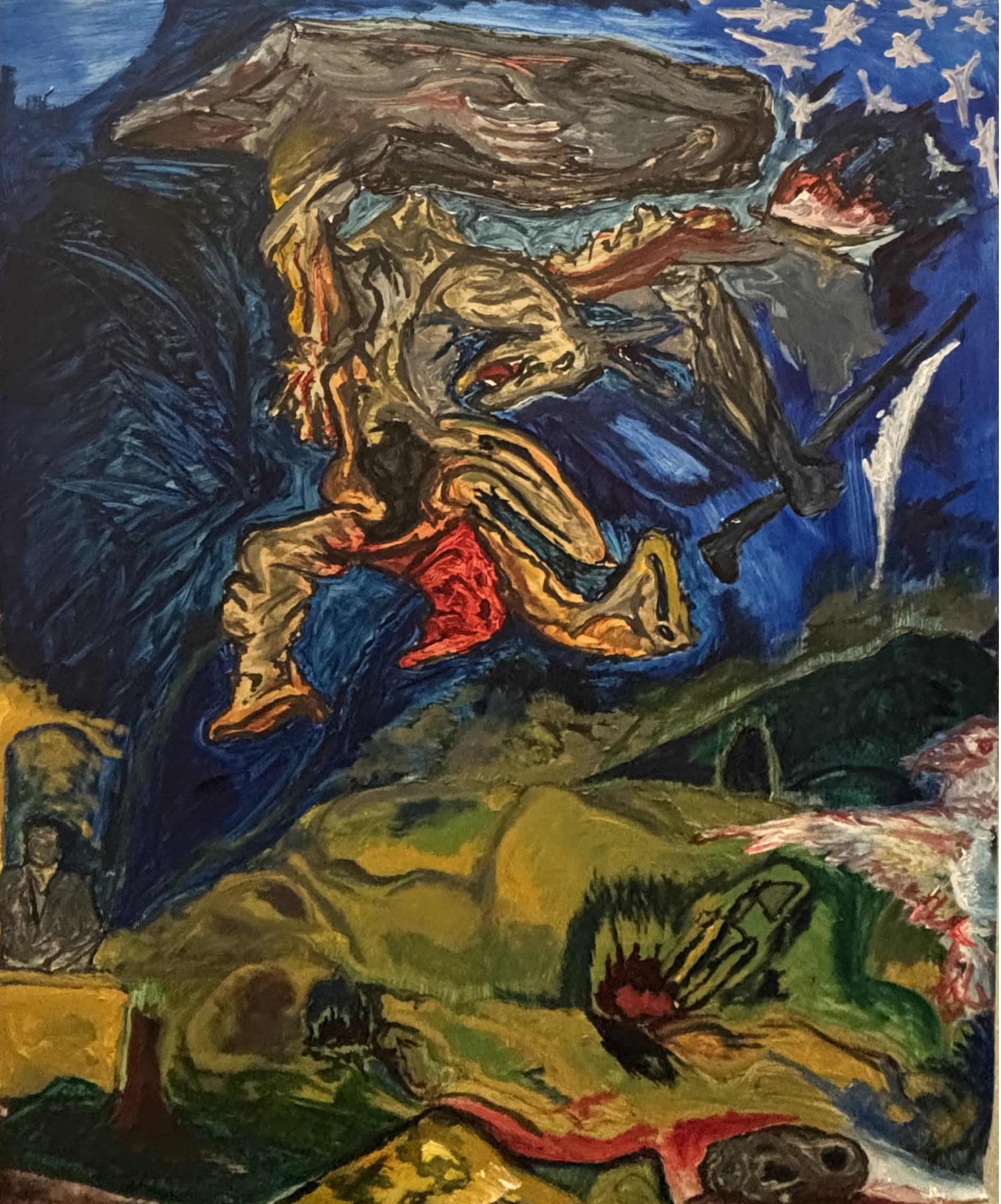 The Triumph of Liberalism
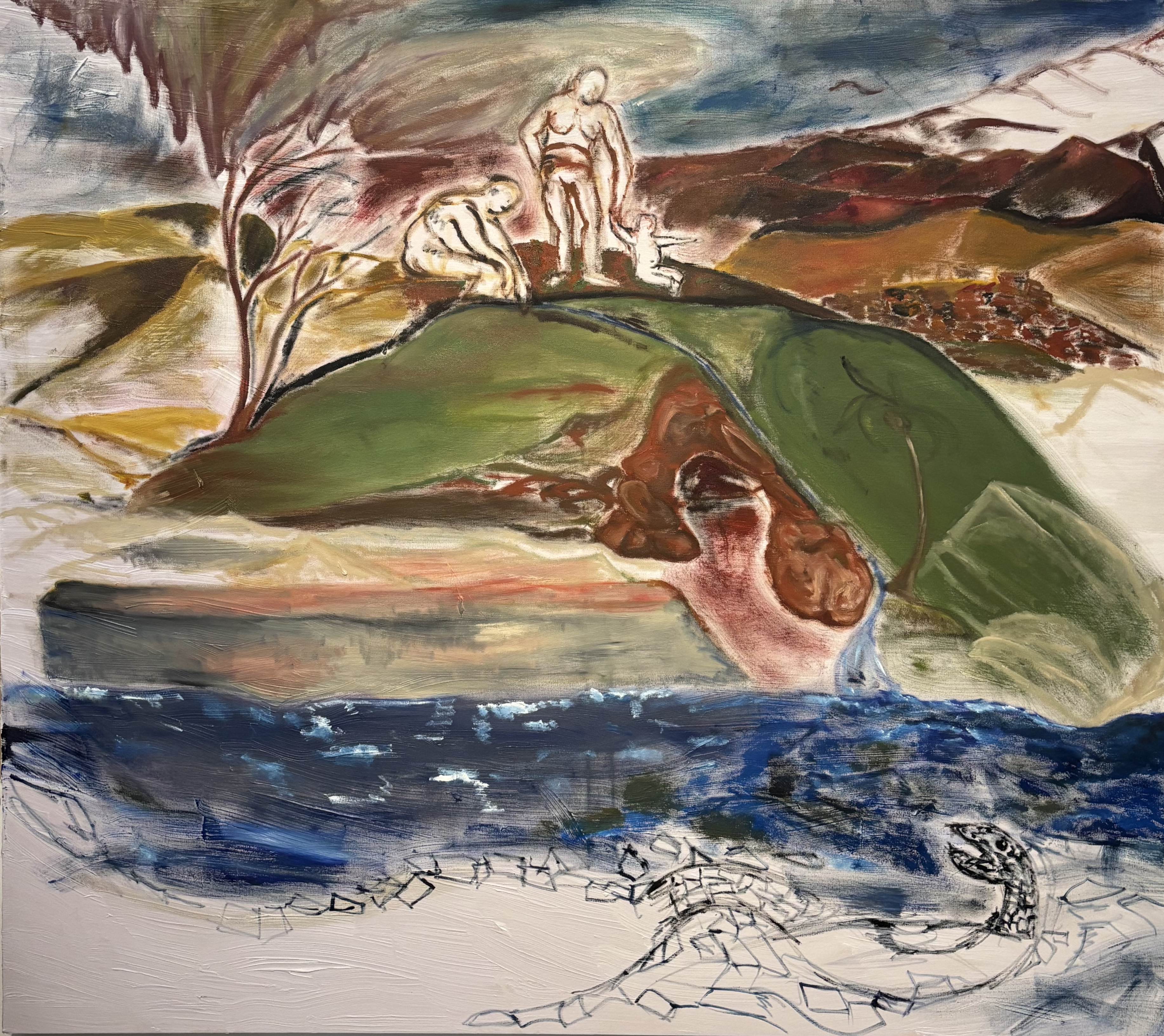 Was This Our Eden?
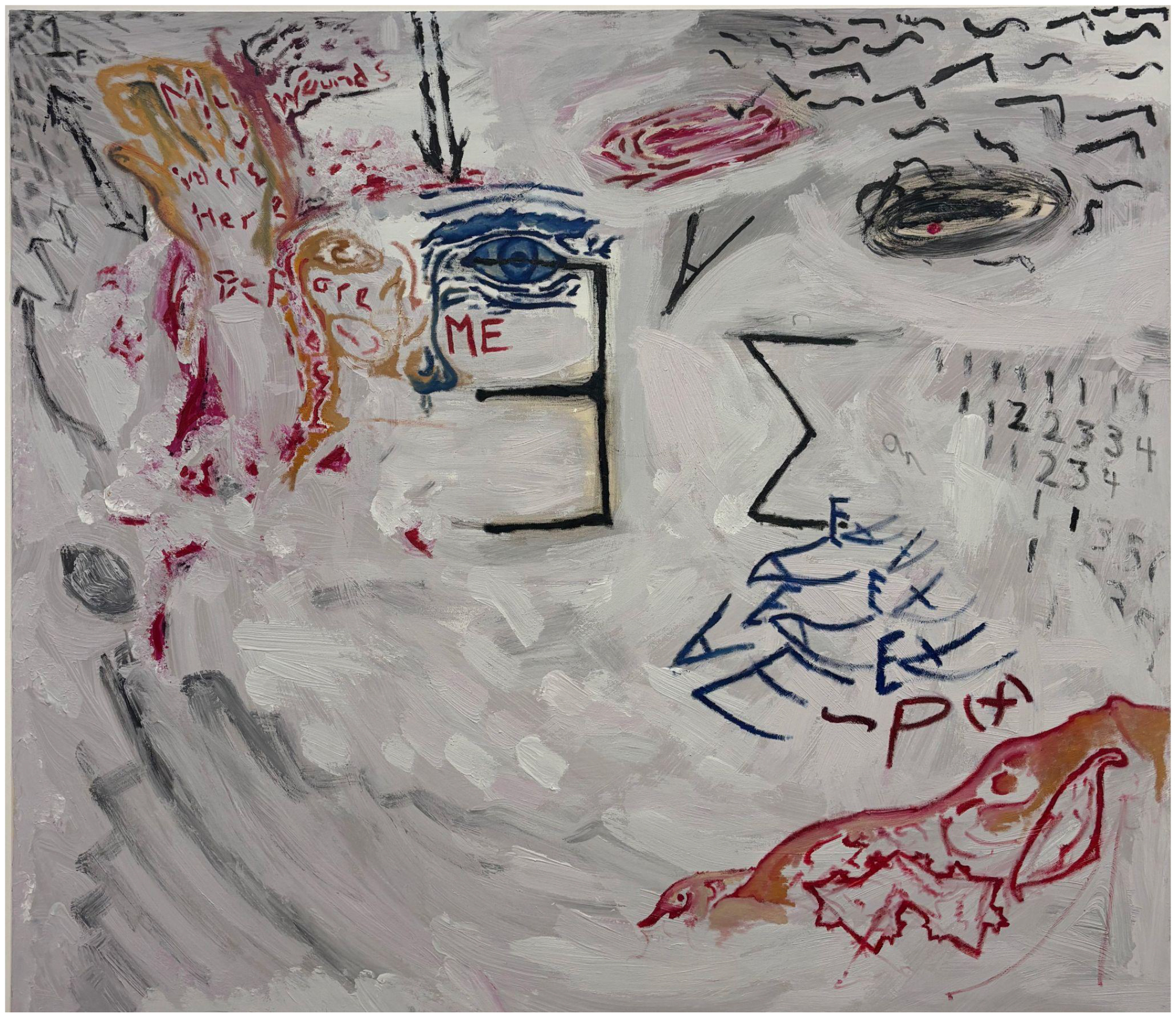 My Wounds Exist Before Me
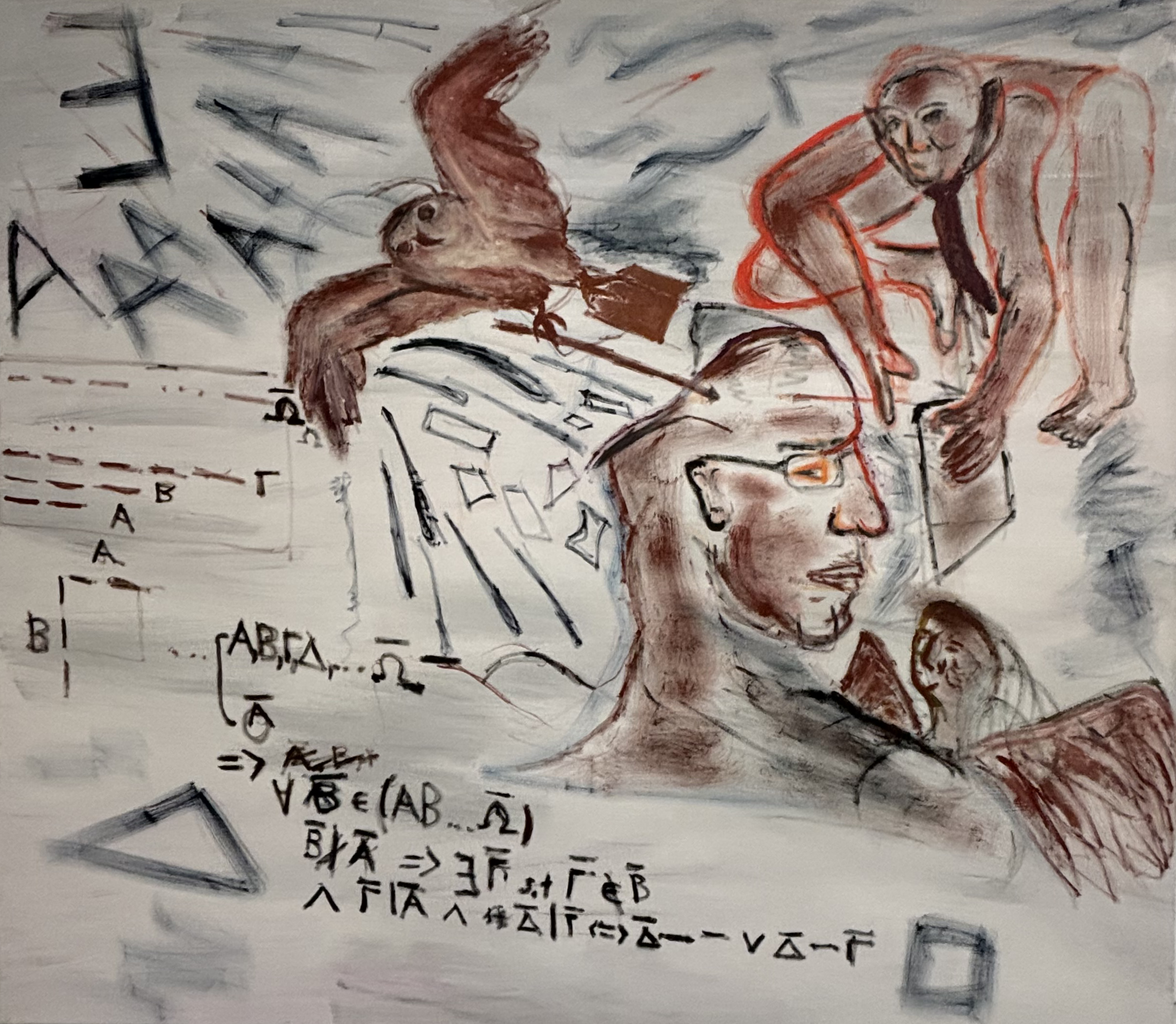 The Birth of Wisdom
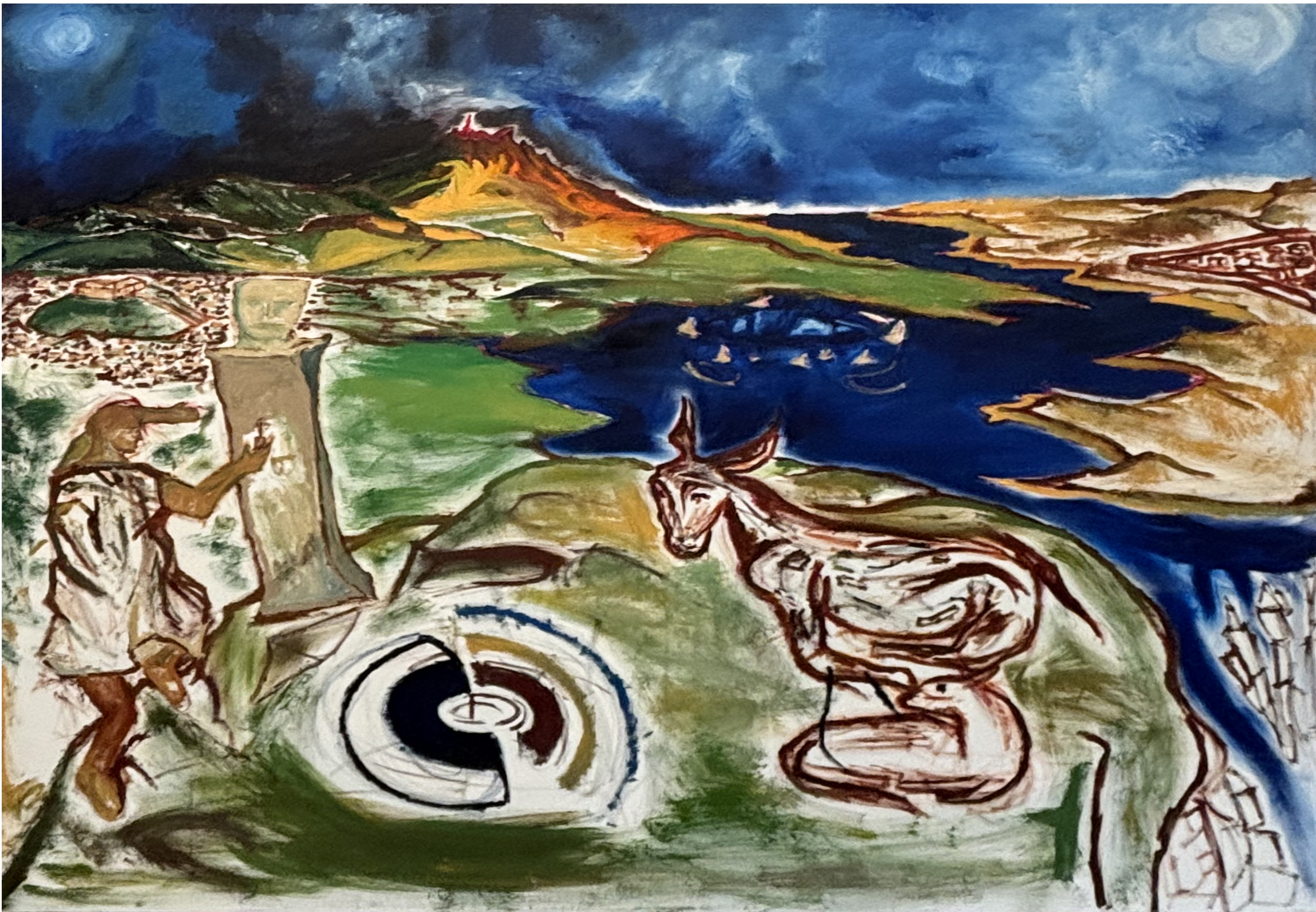 A Mule Will Fold
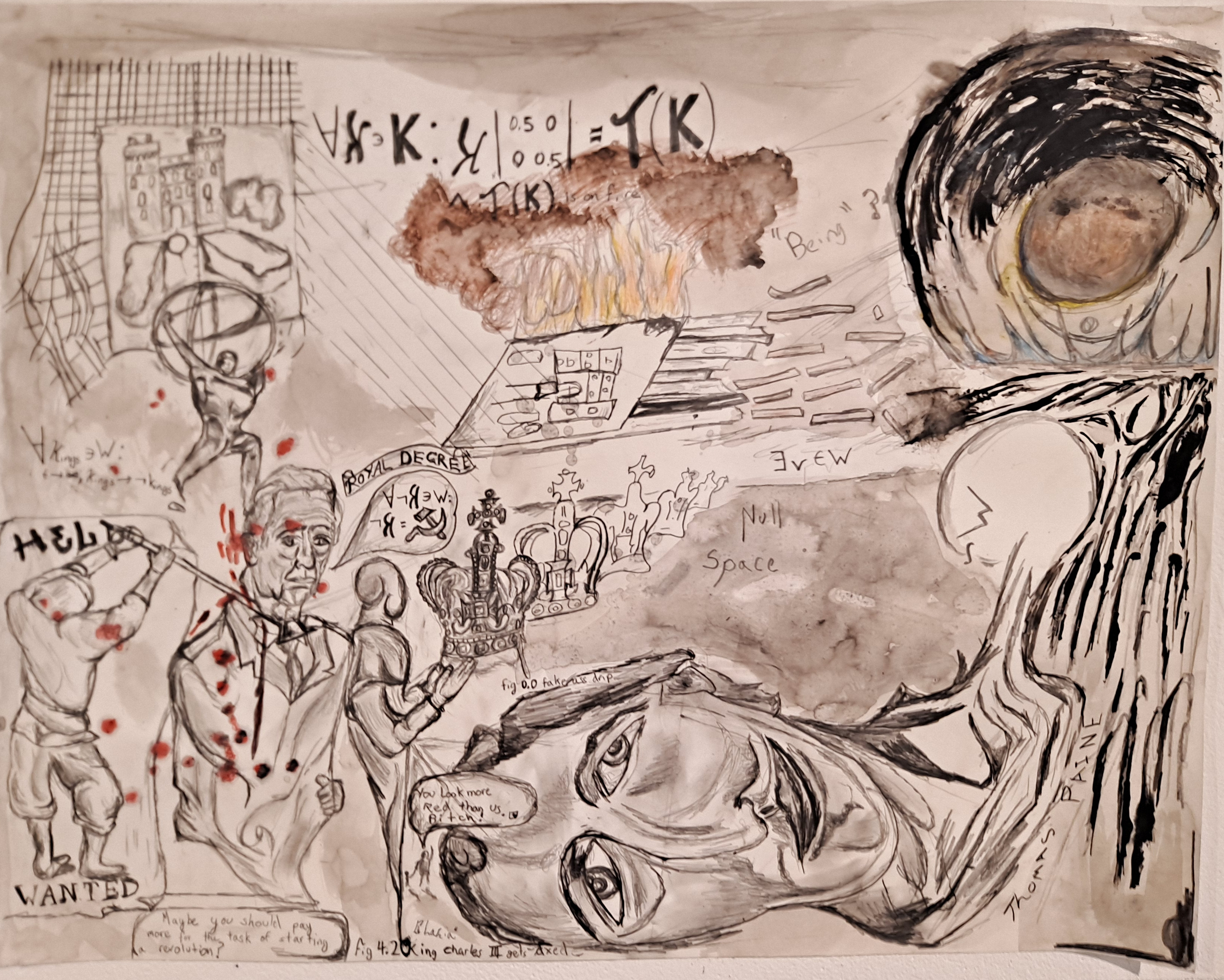 The True Cost of Revolution
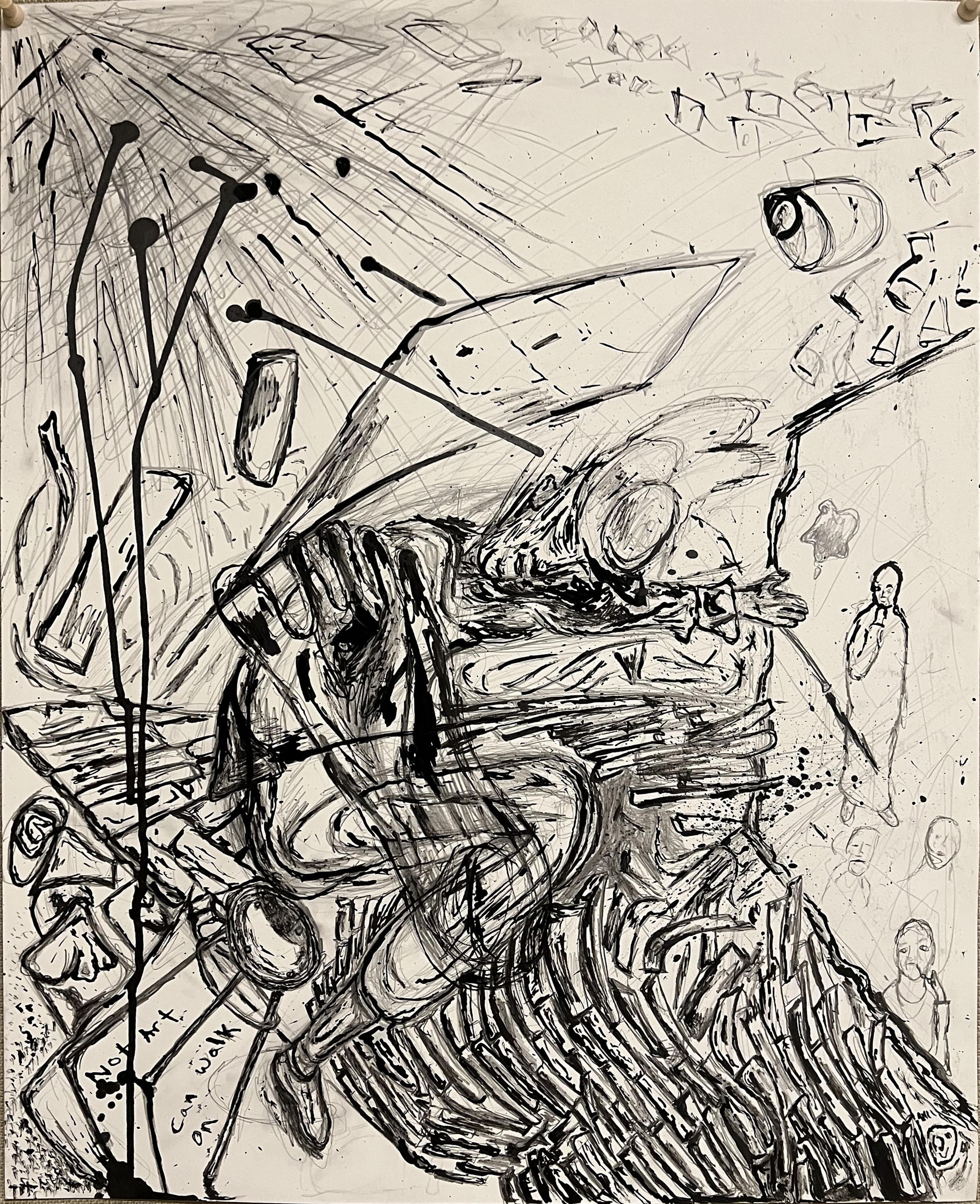 Art as a Parasocial Phenomenon
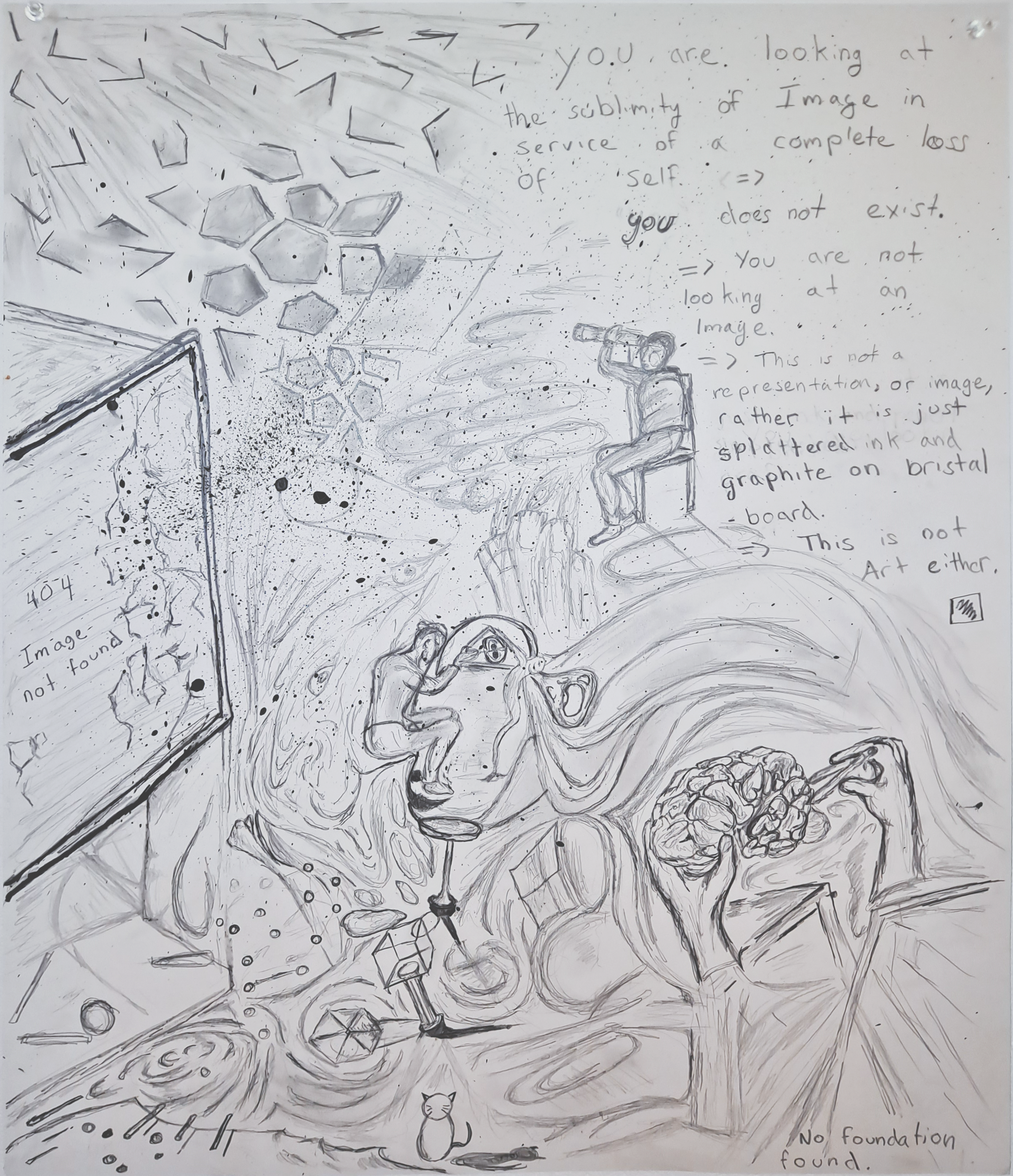 Art as a Parasocial Phenomenon -- Demiurge
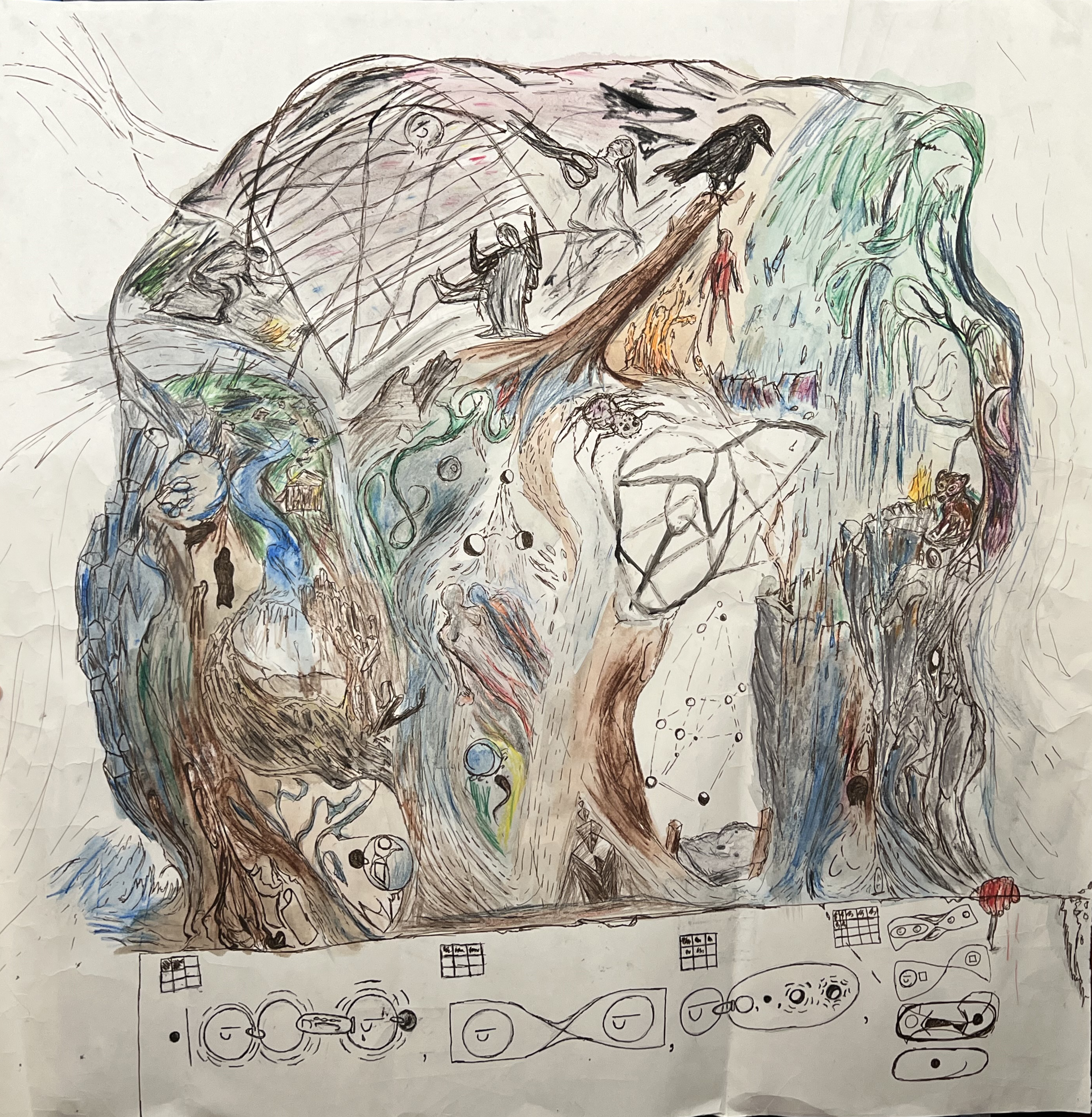 The Self-Contradicting Mental Jungle
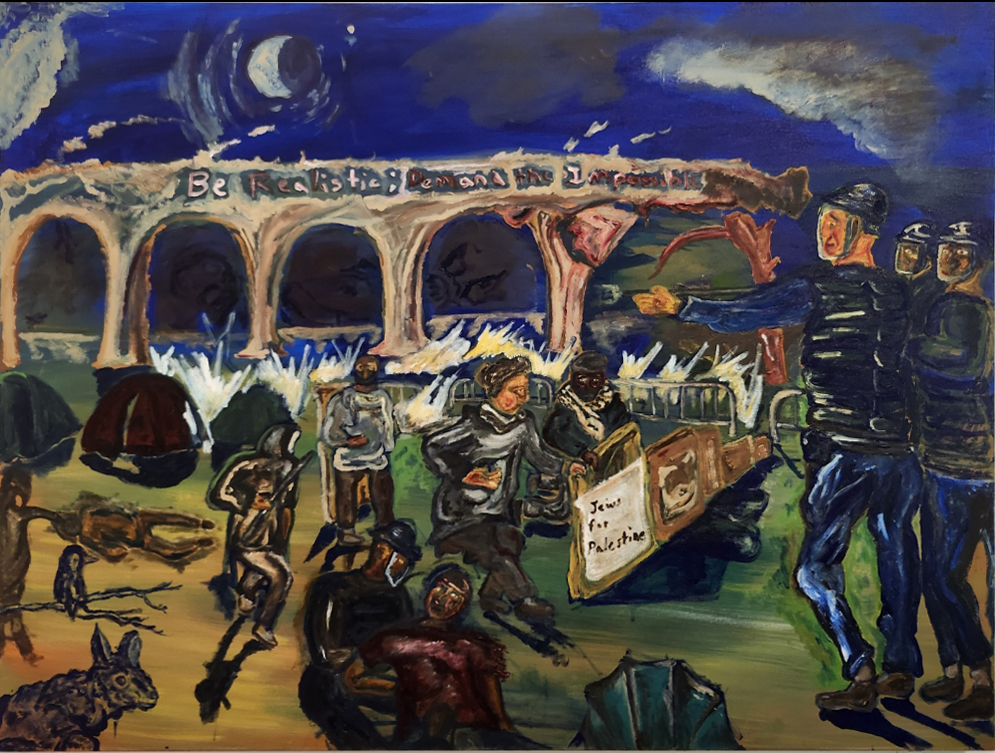 The First of May
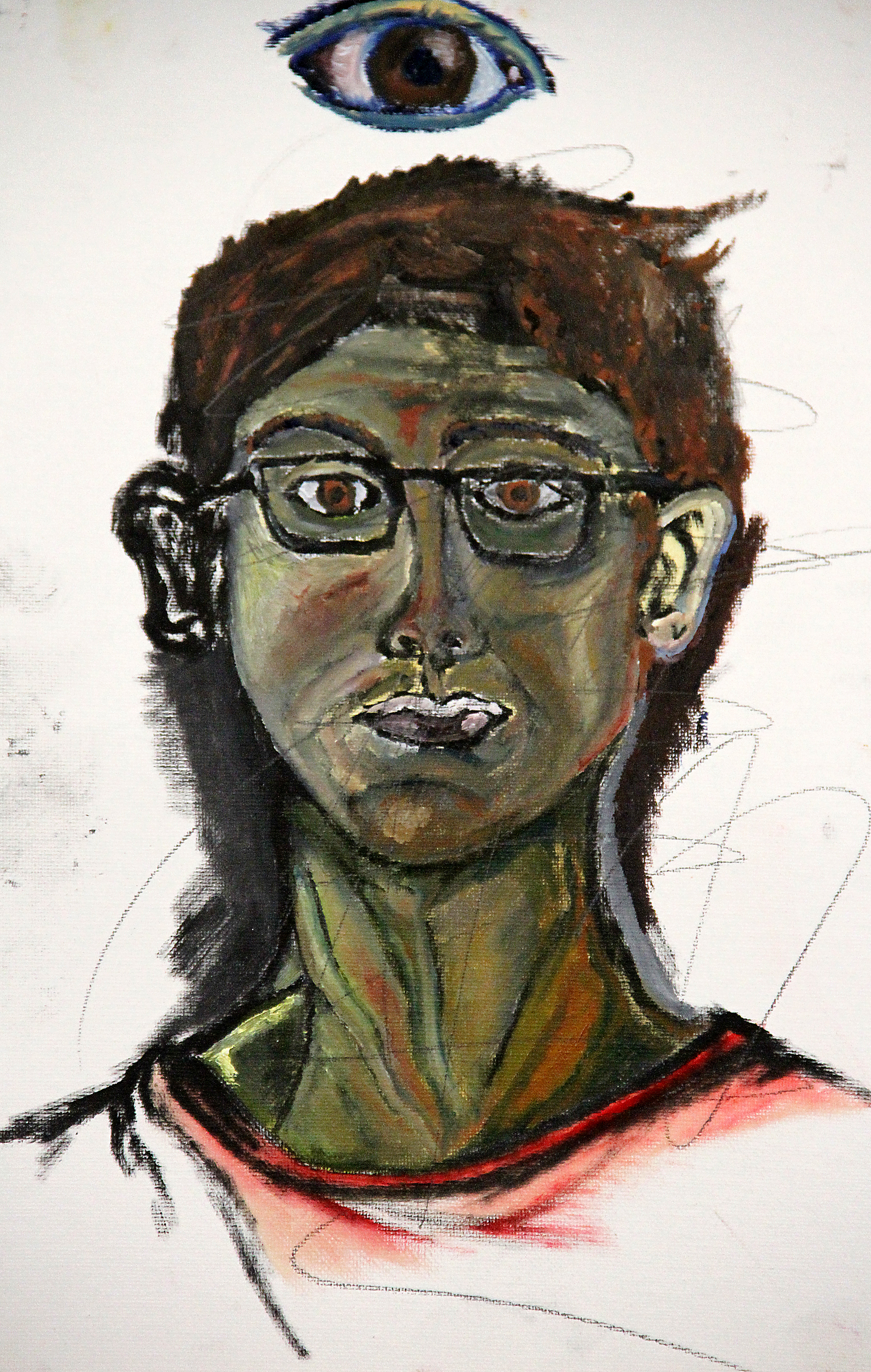 Self-Portrait
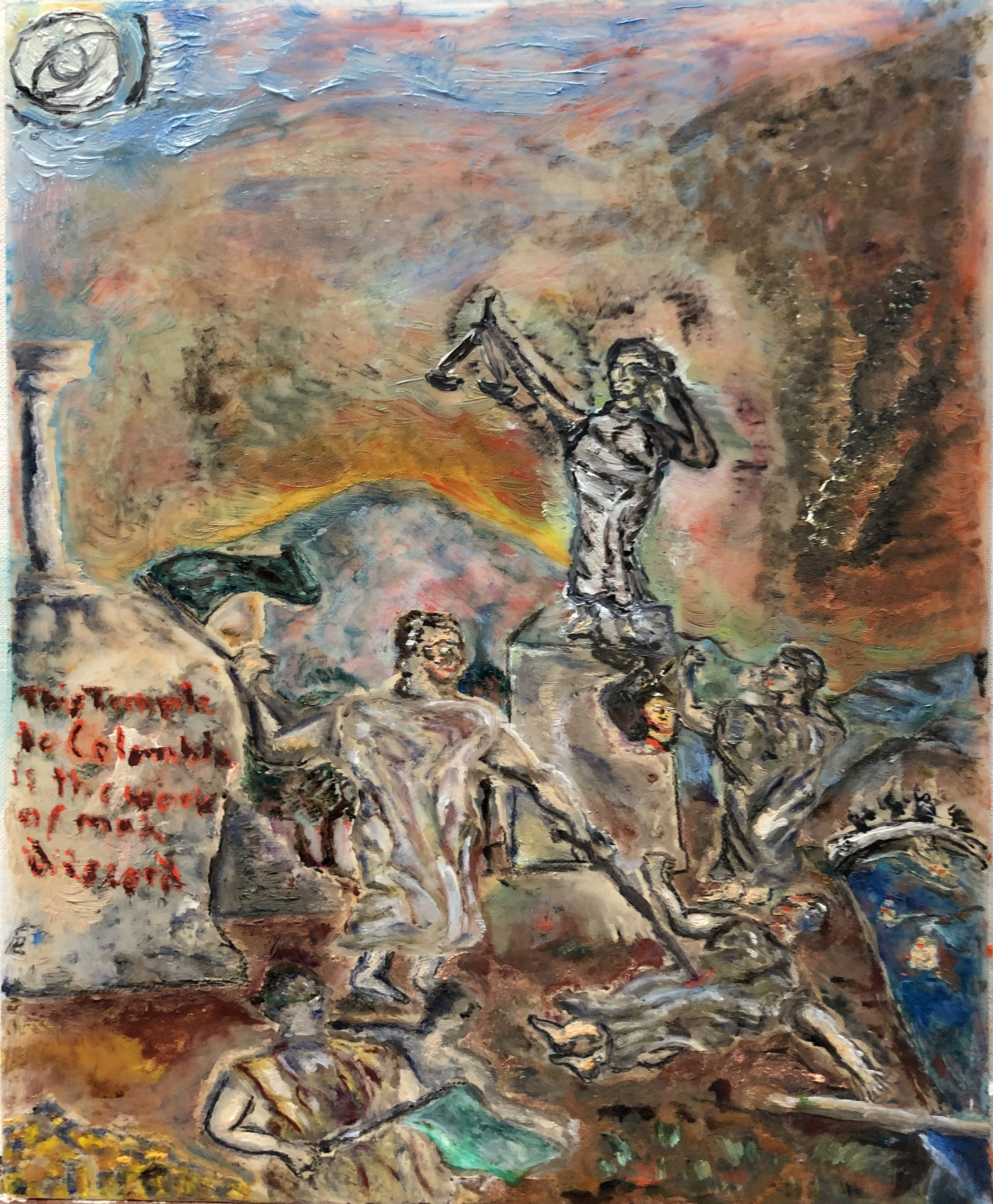 The Corruption of Concord
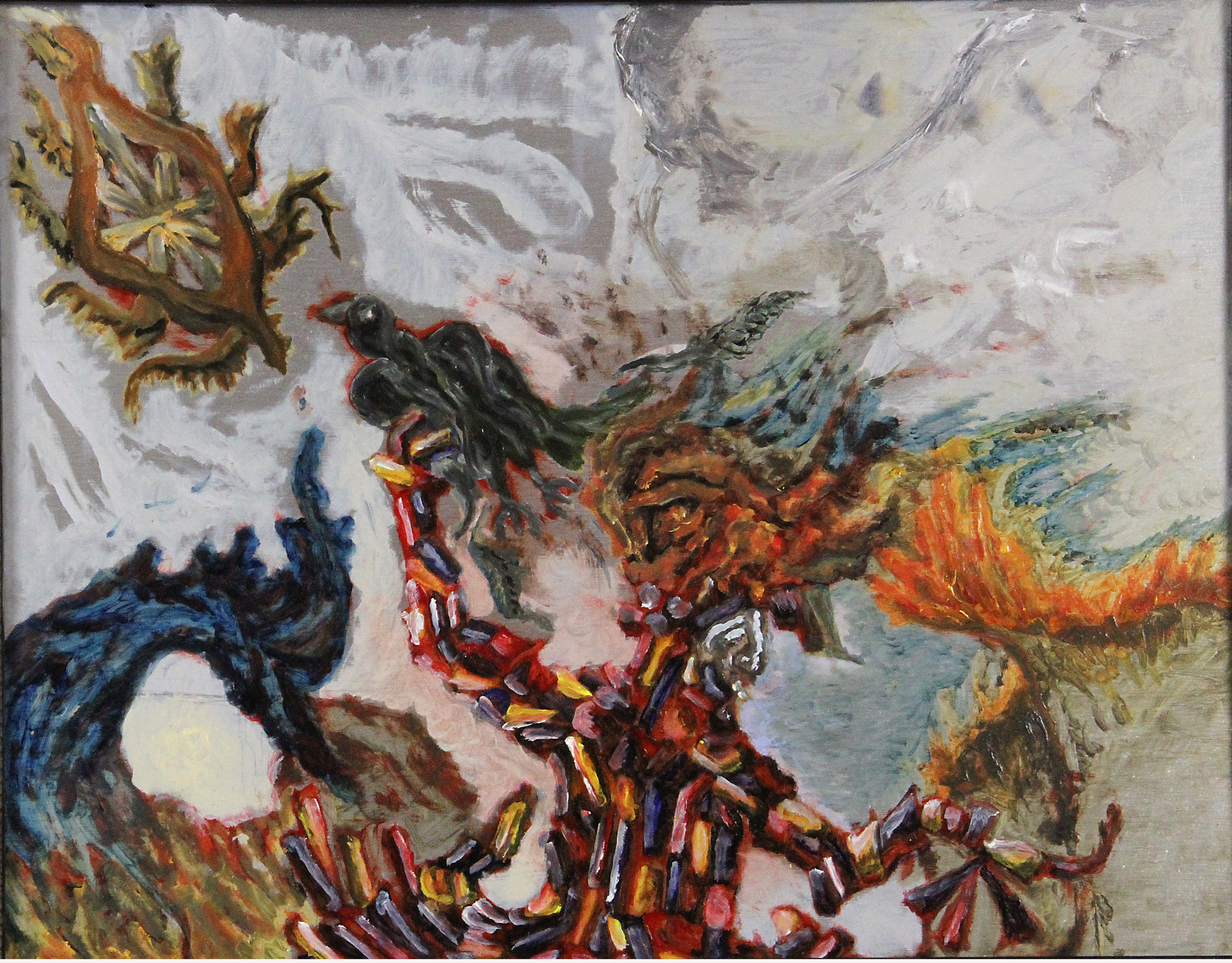 Ektós Aéra
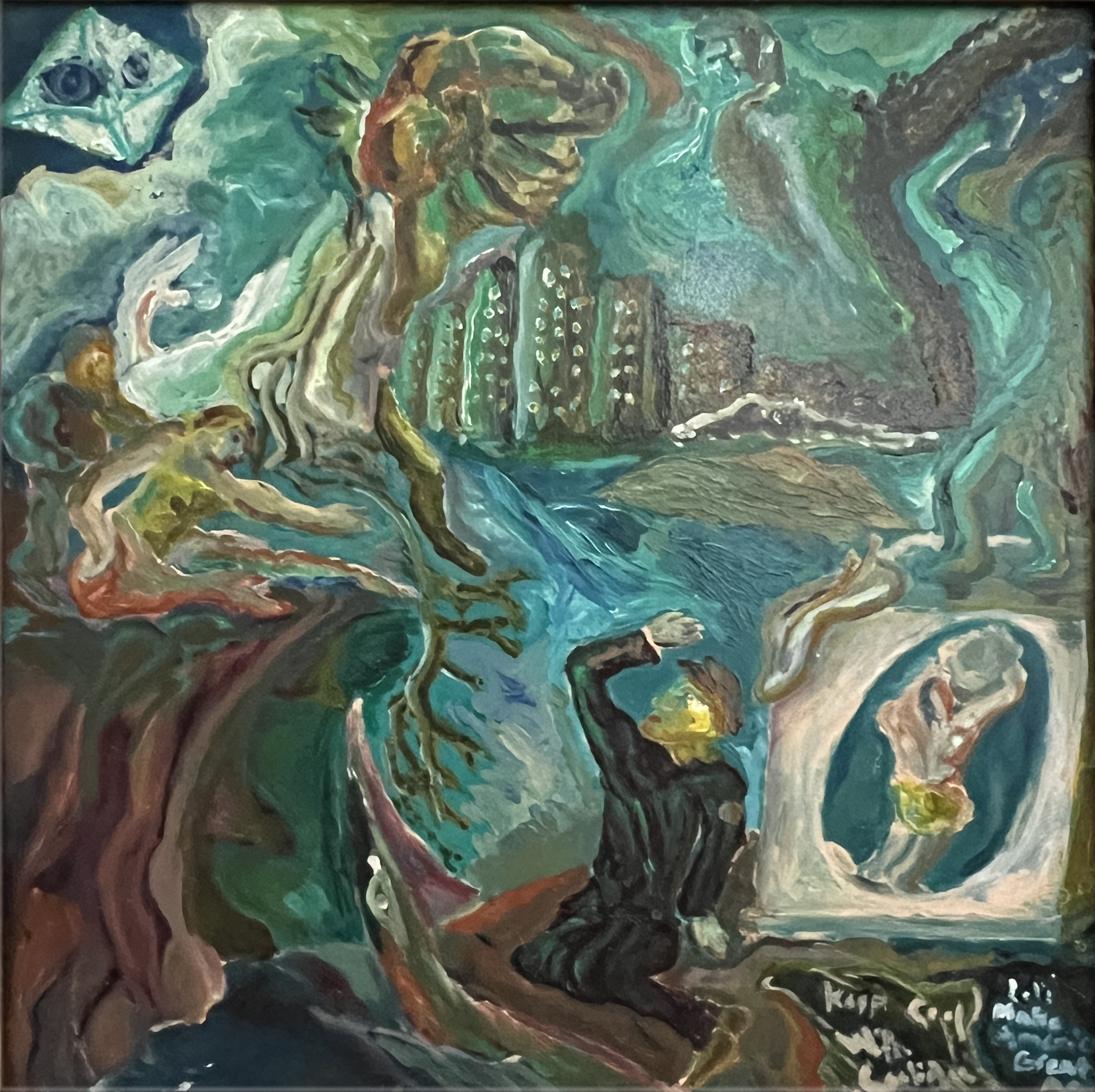 The Pale Green Light
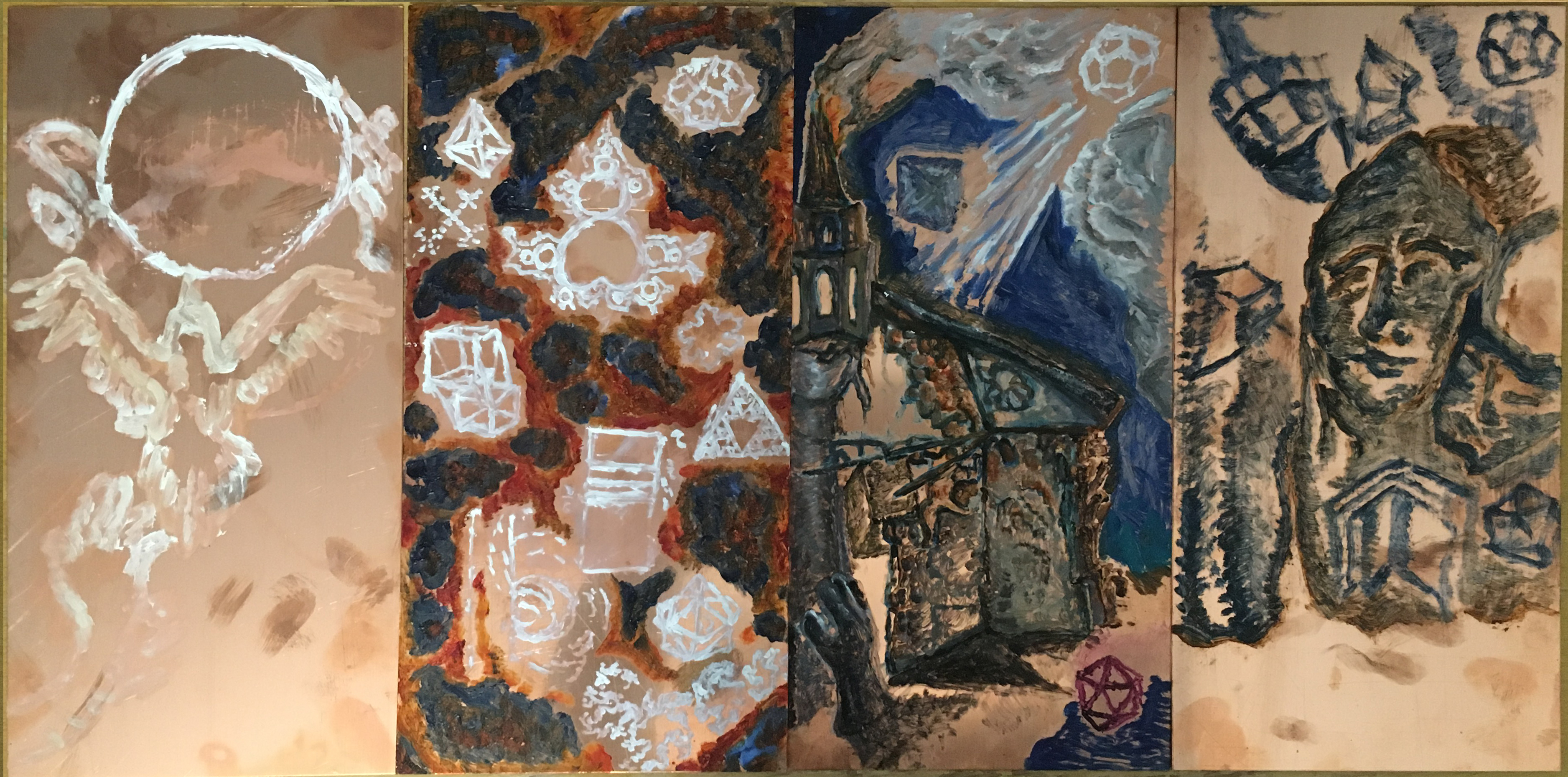 The Four Realms of Existence
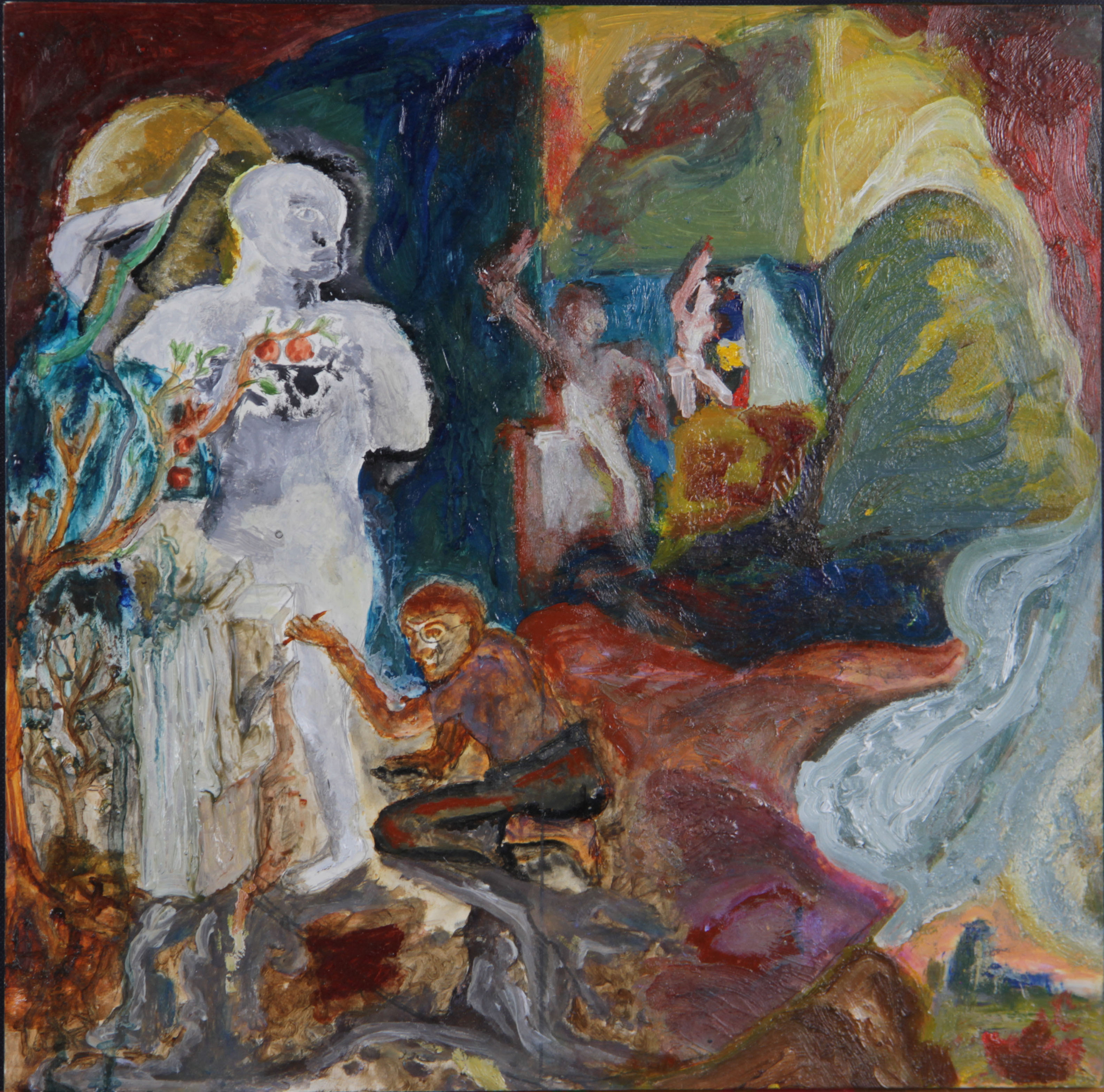 To Mold Me Man
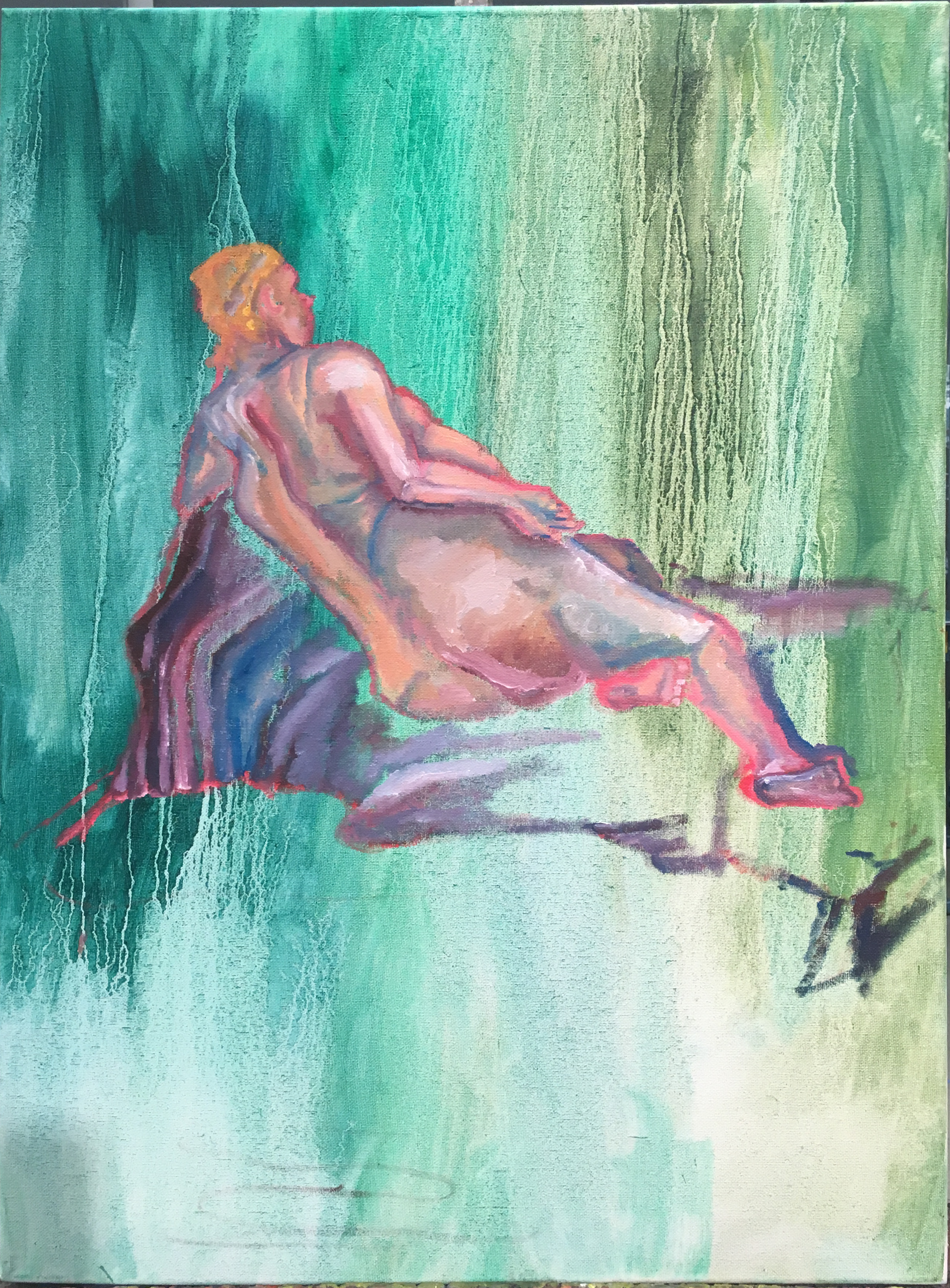 Nude 01
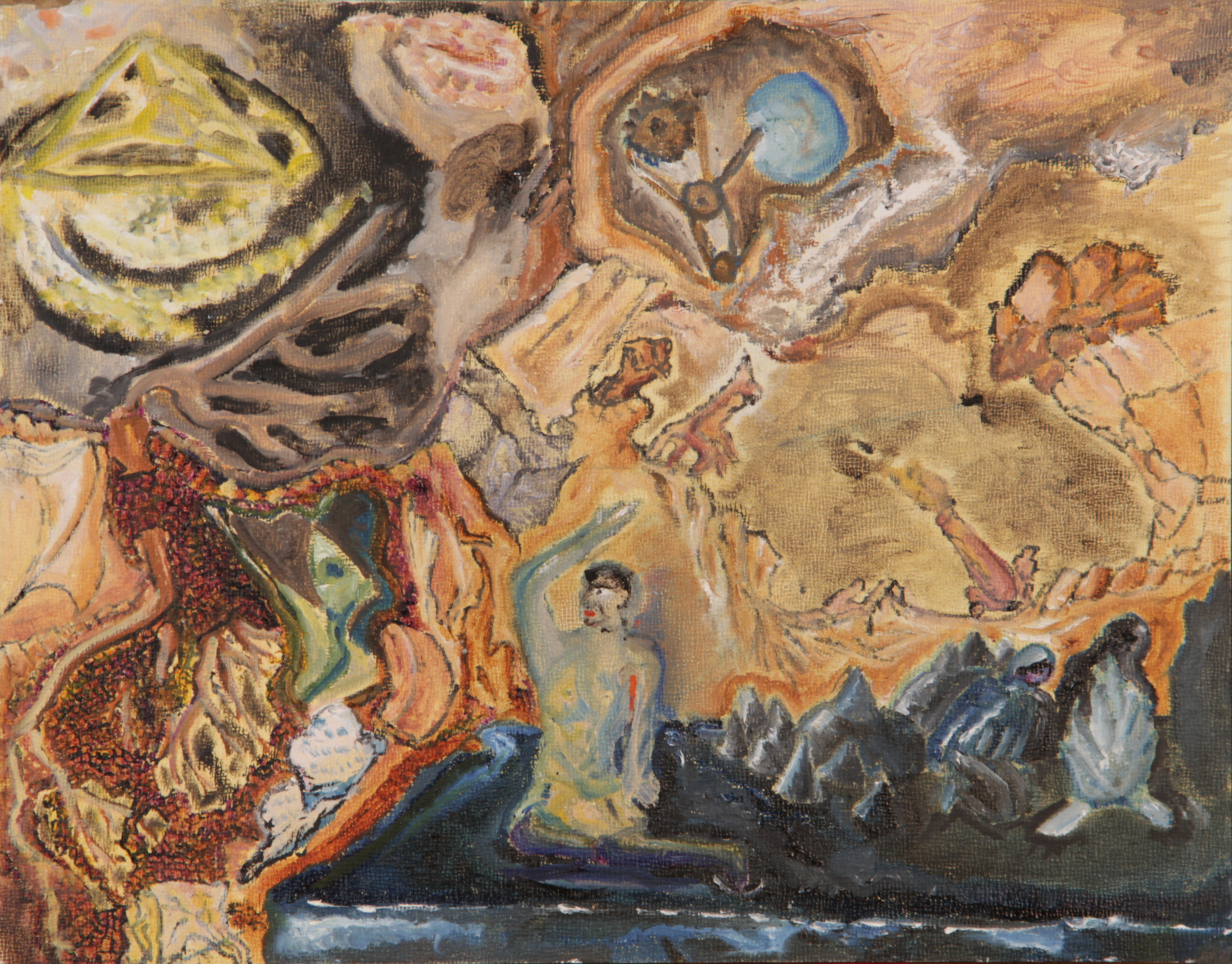 Allegory of the Cave
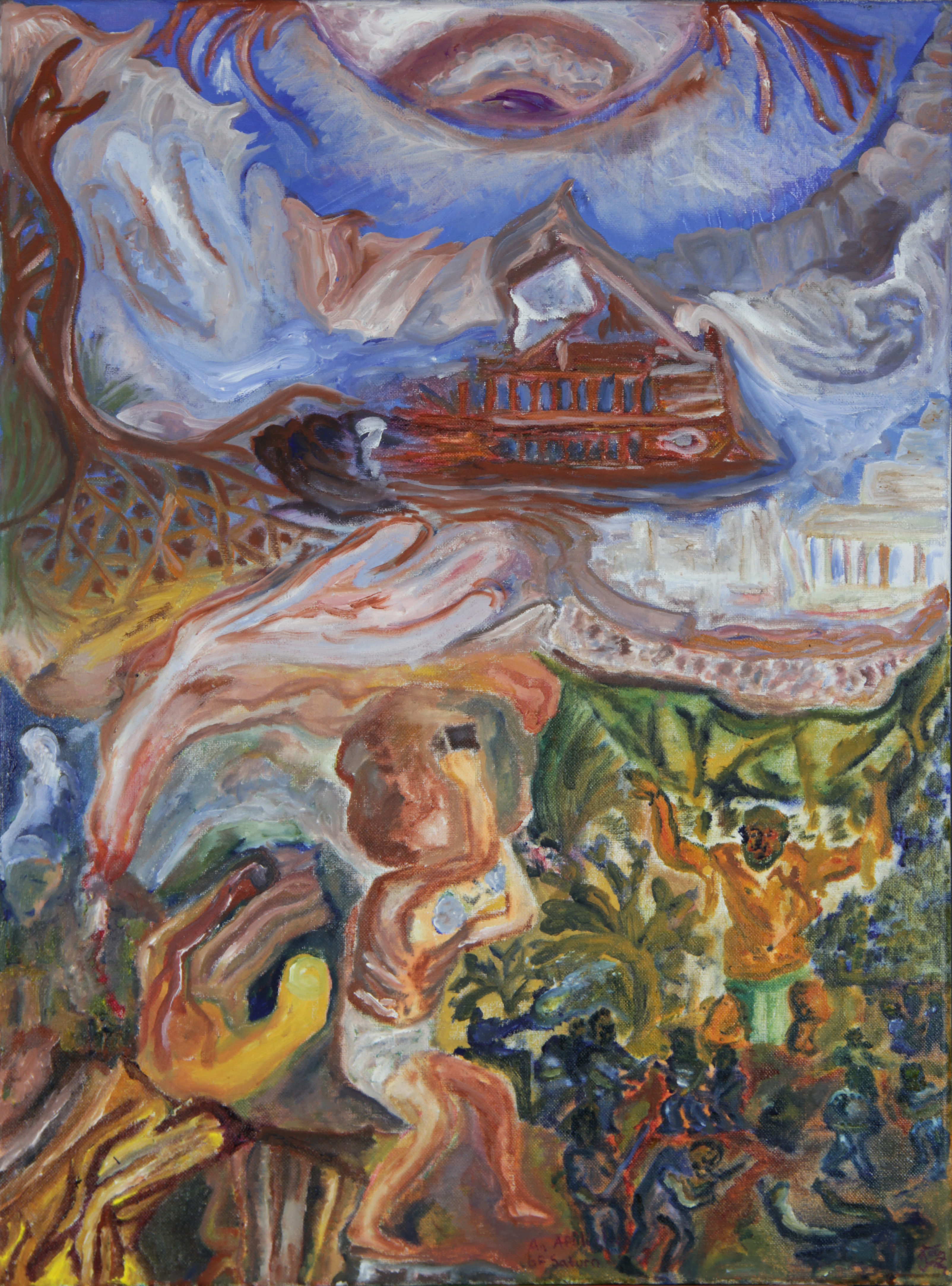 The Affliction of Saturn
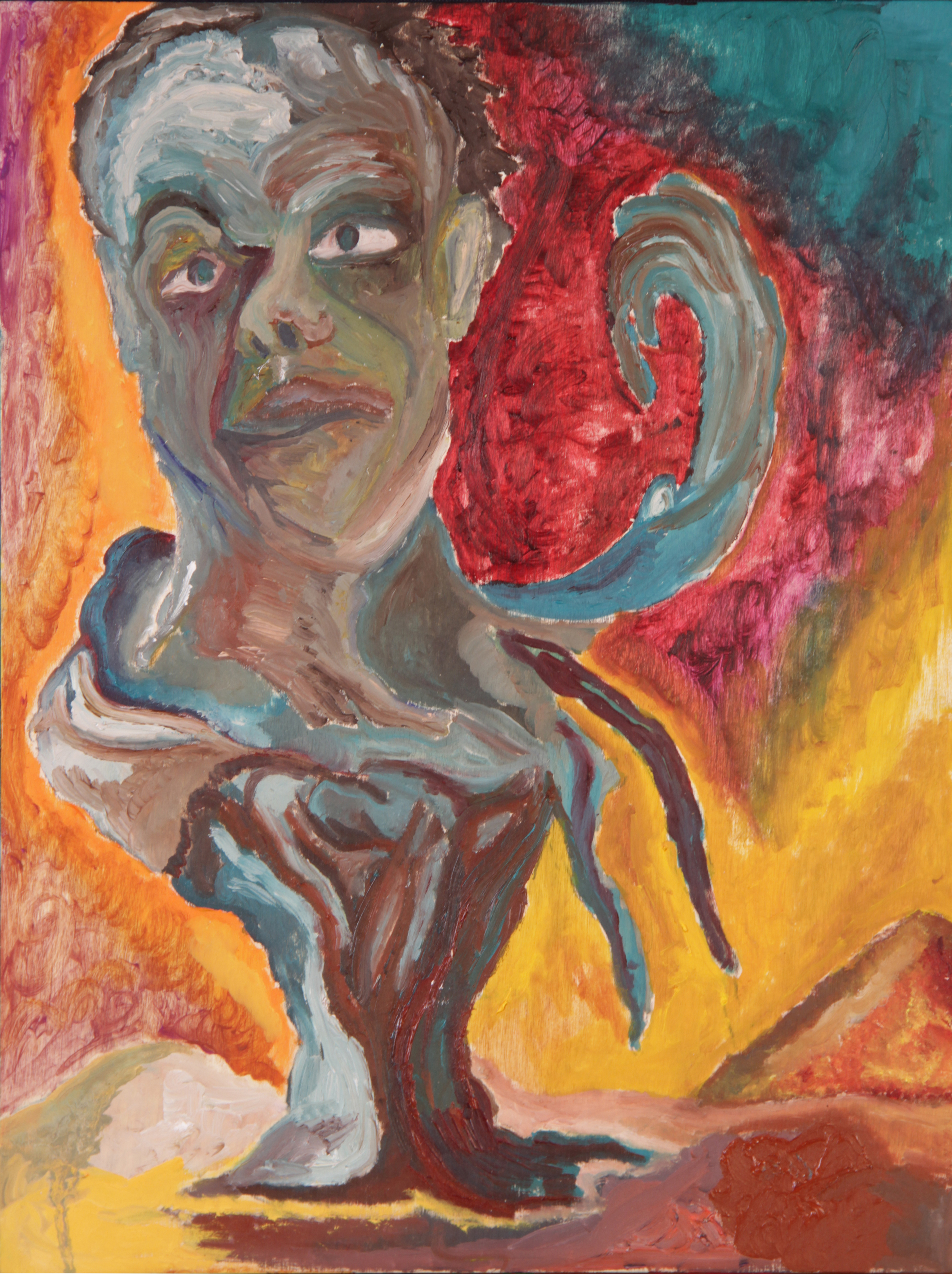 Freud's Gaze
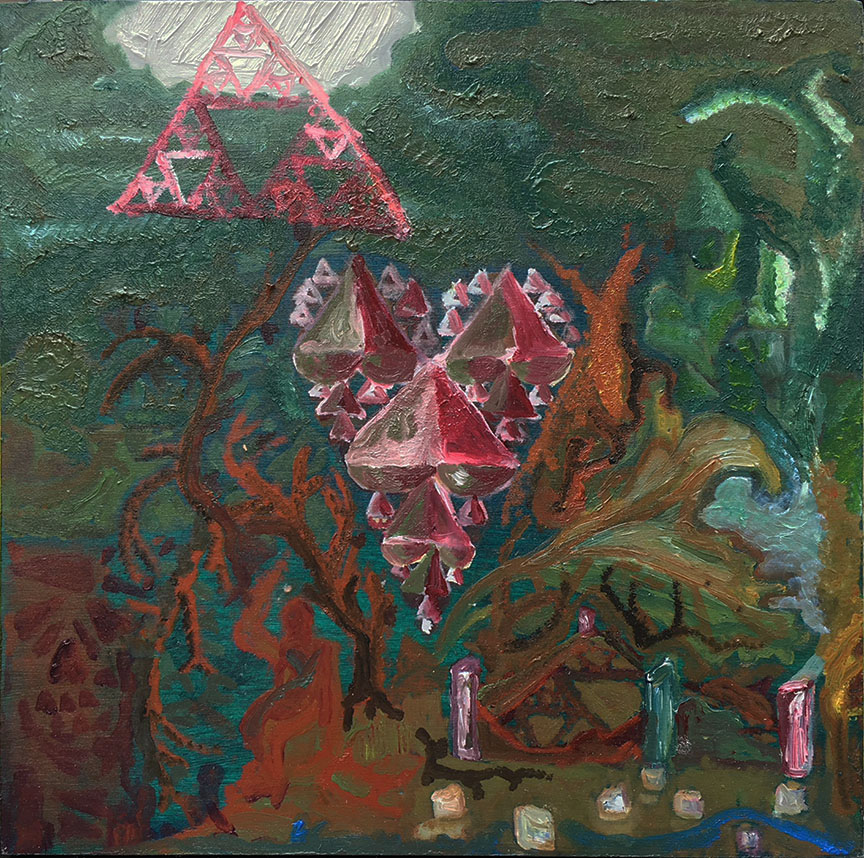 Sierpinski's Platonic Love
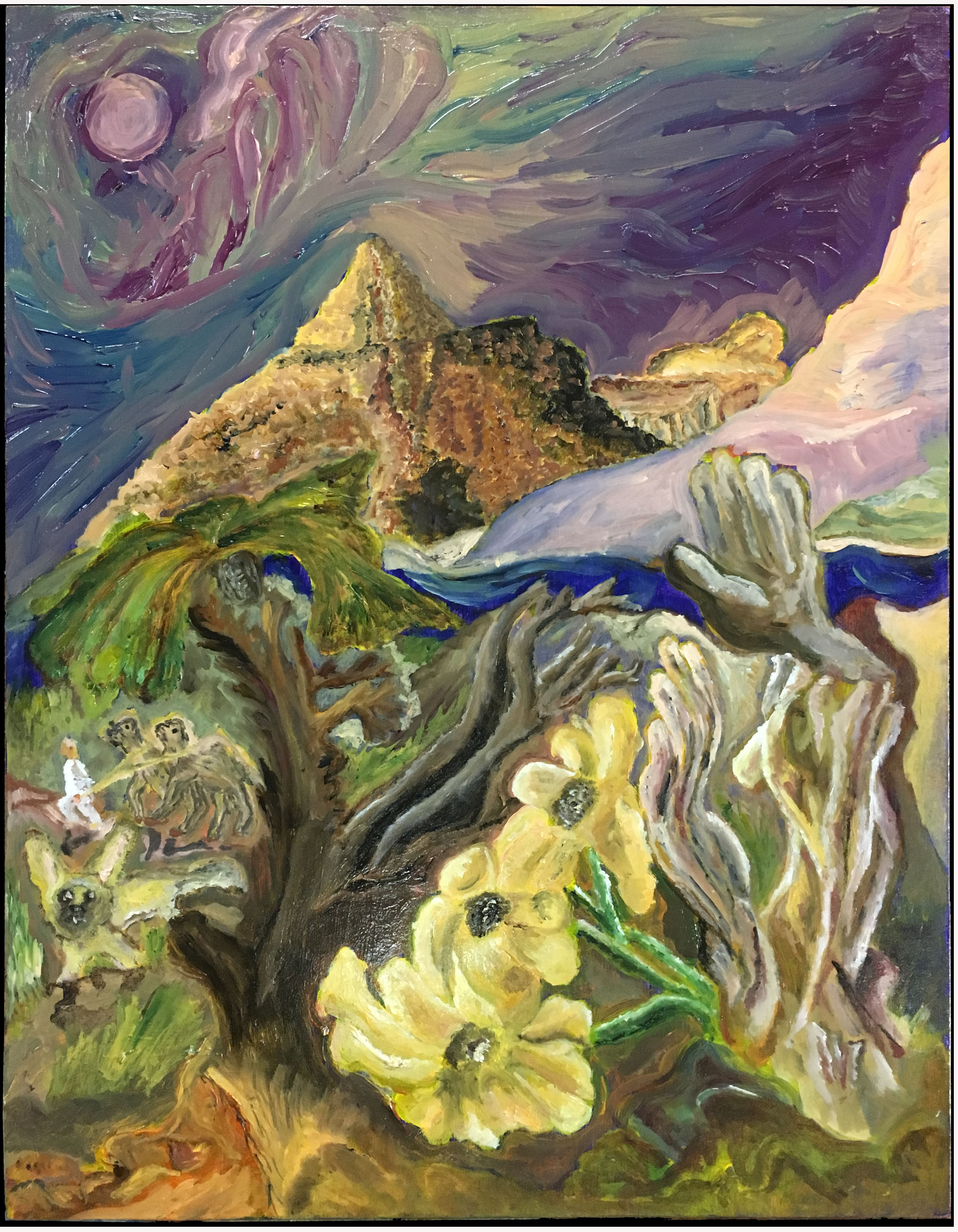 In Preparation of Kufu the Sands of Time Await
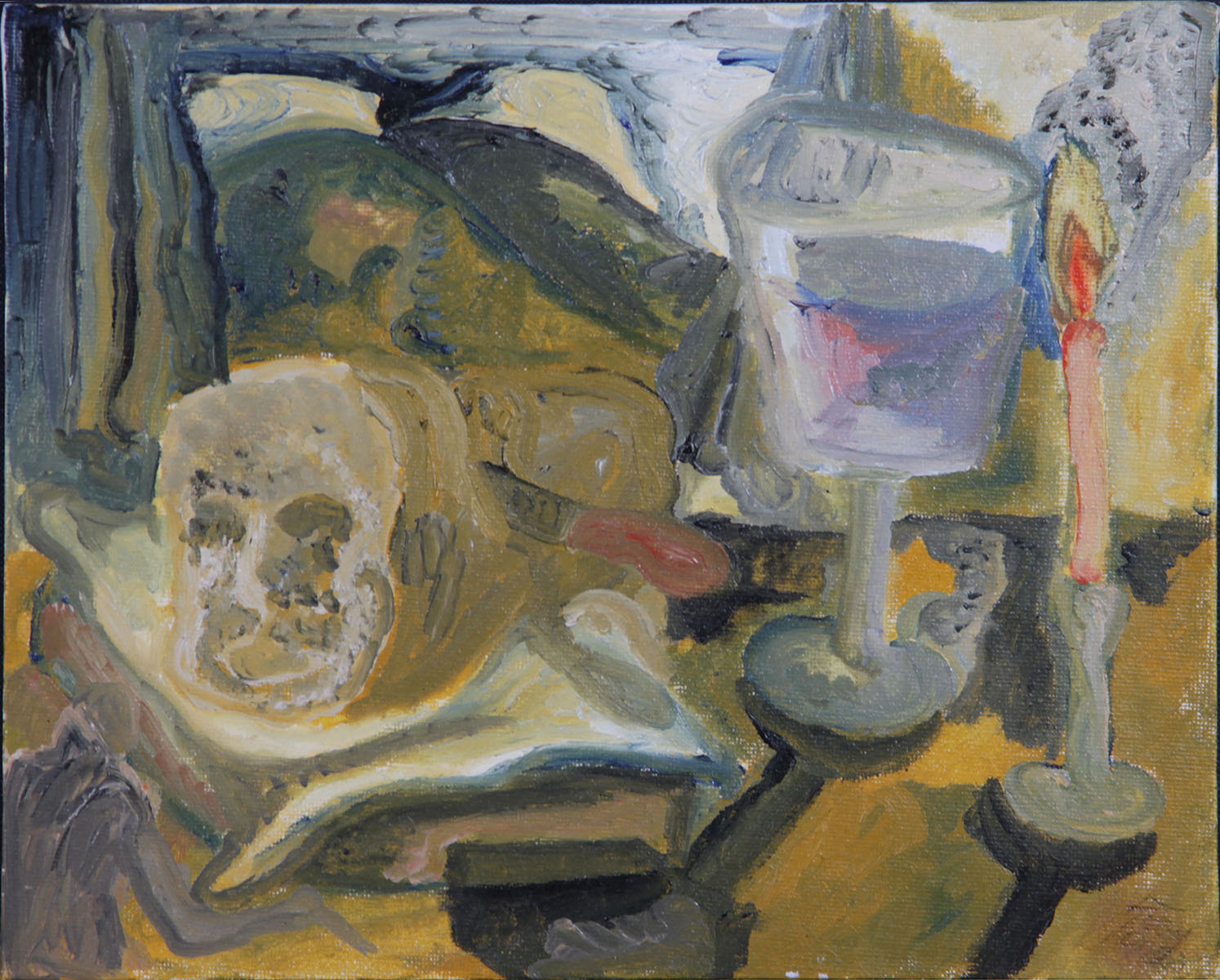 Panen Nostrum
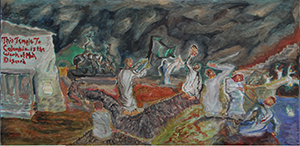 The Death of the Gracchi
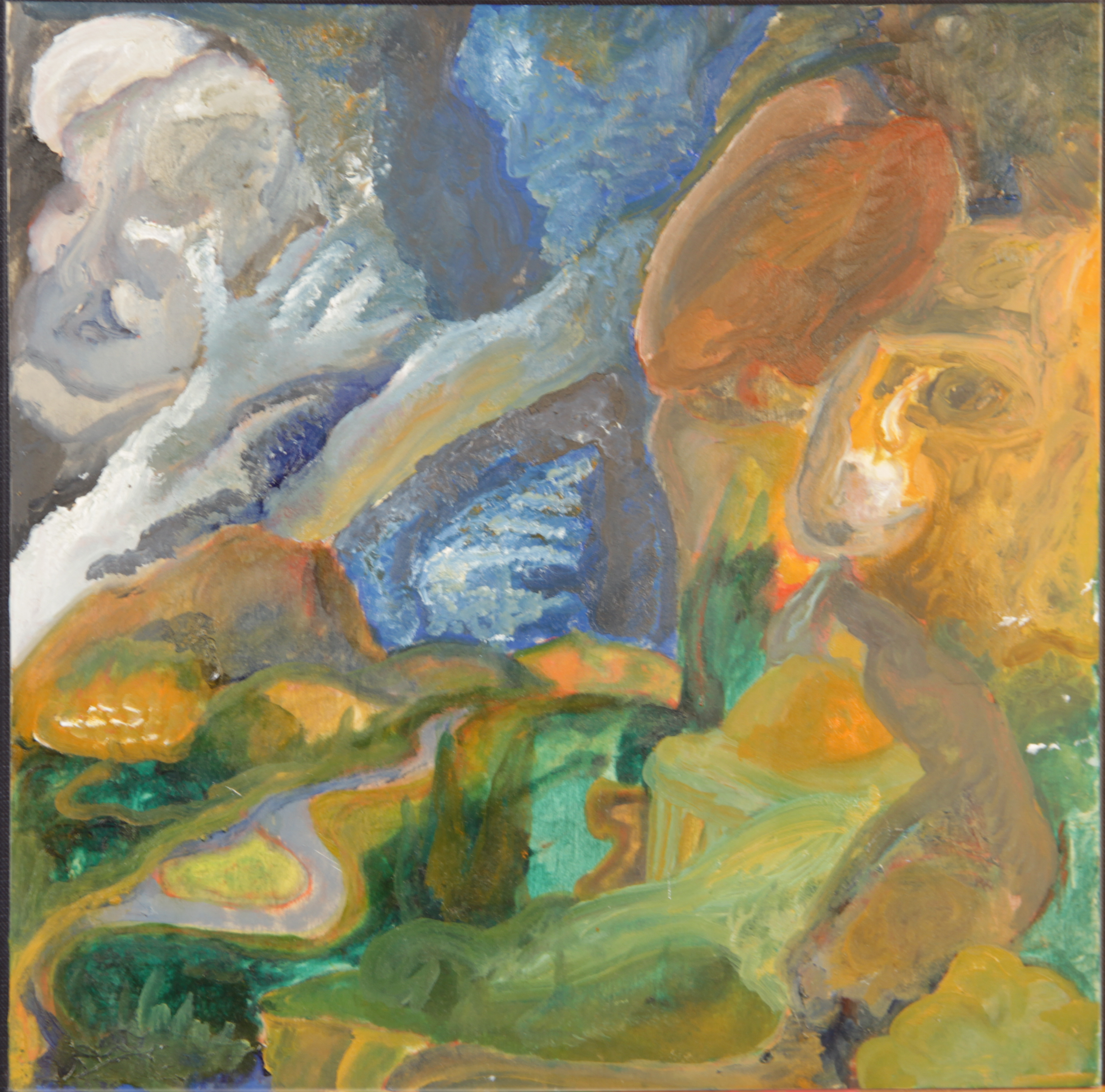 Twilight of Idols
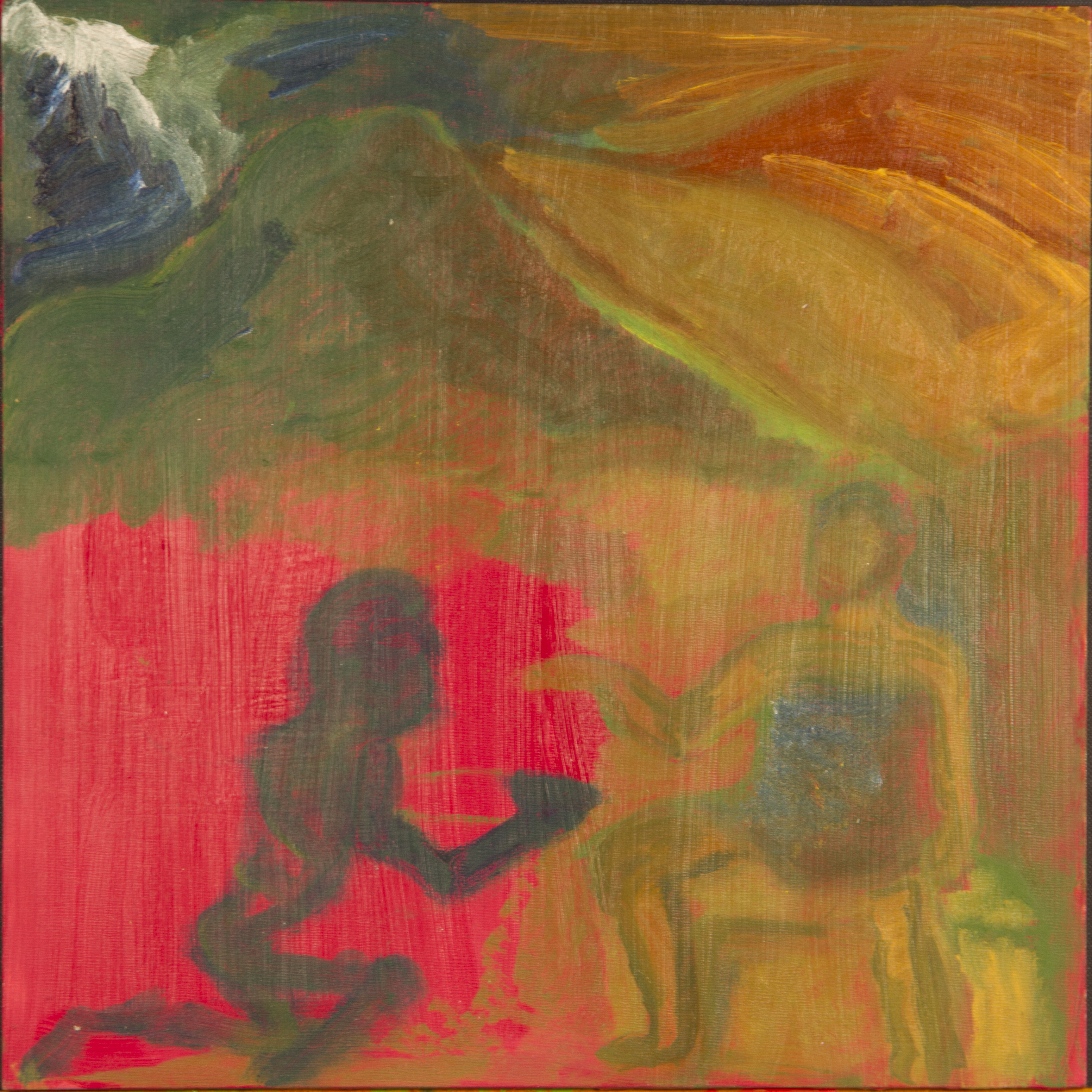 Death and Demeter
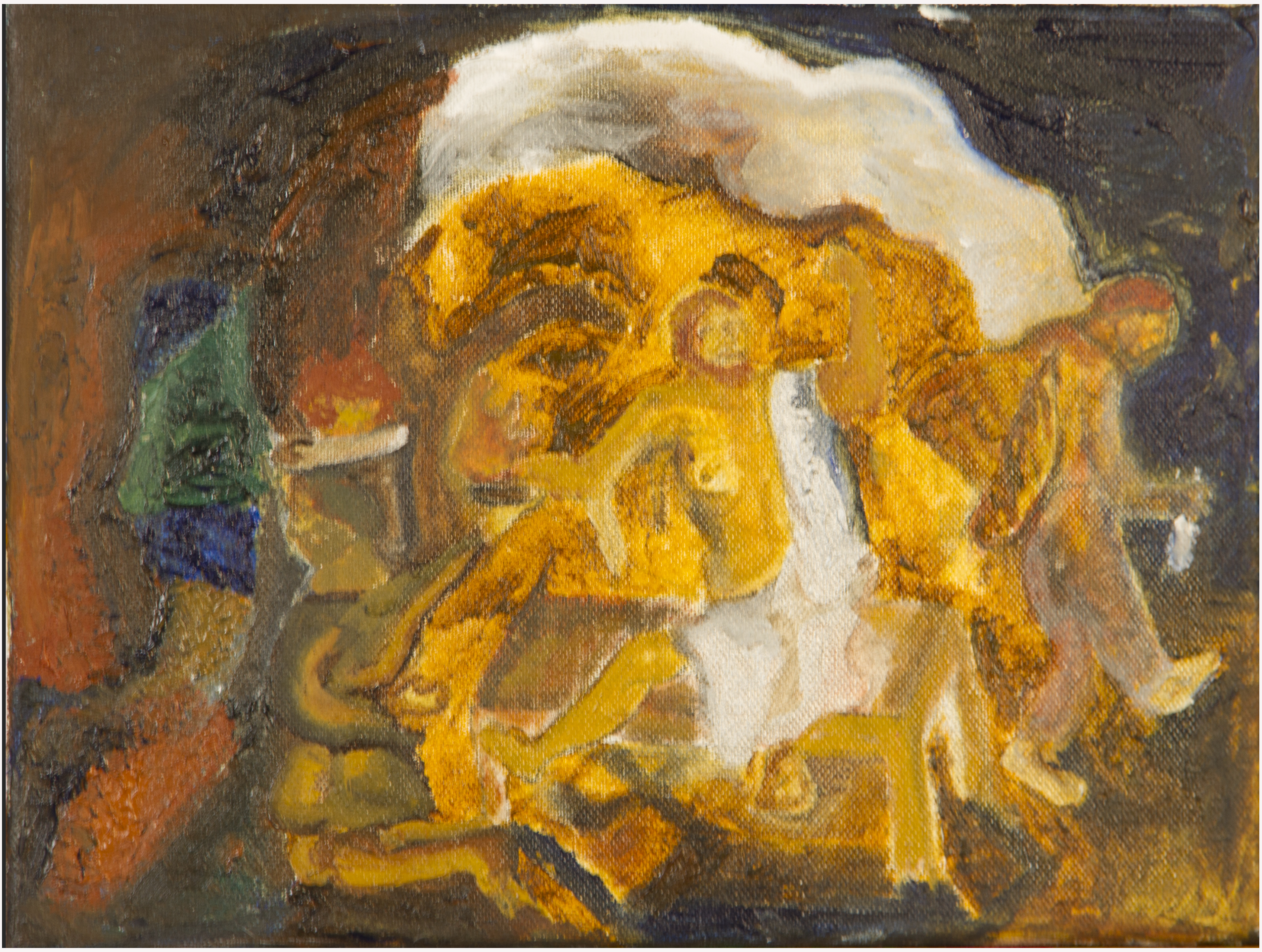 The Dwindling Fire
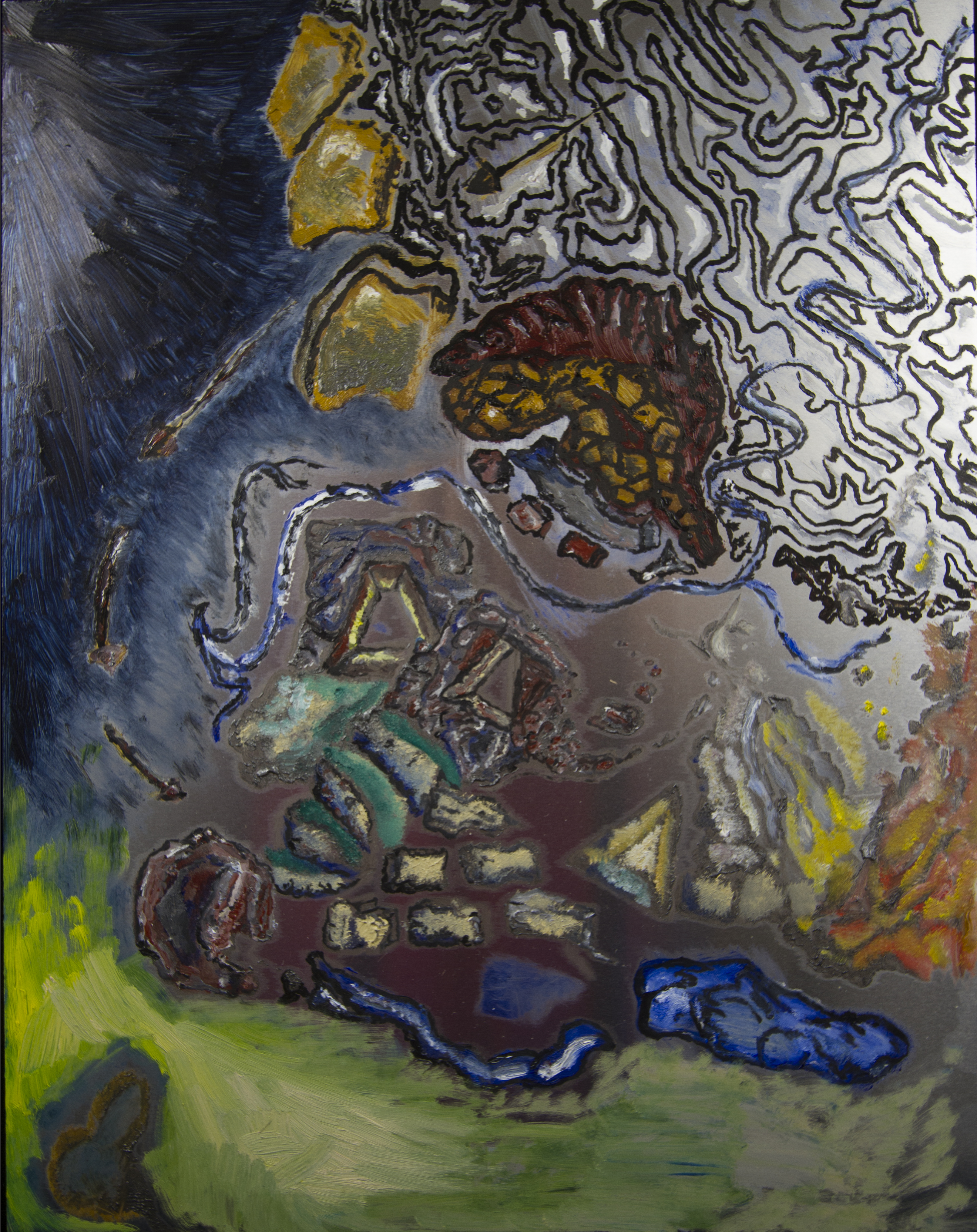 Pachacuti
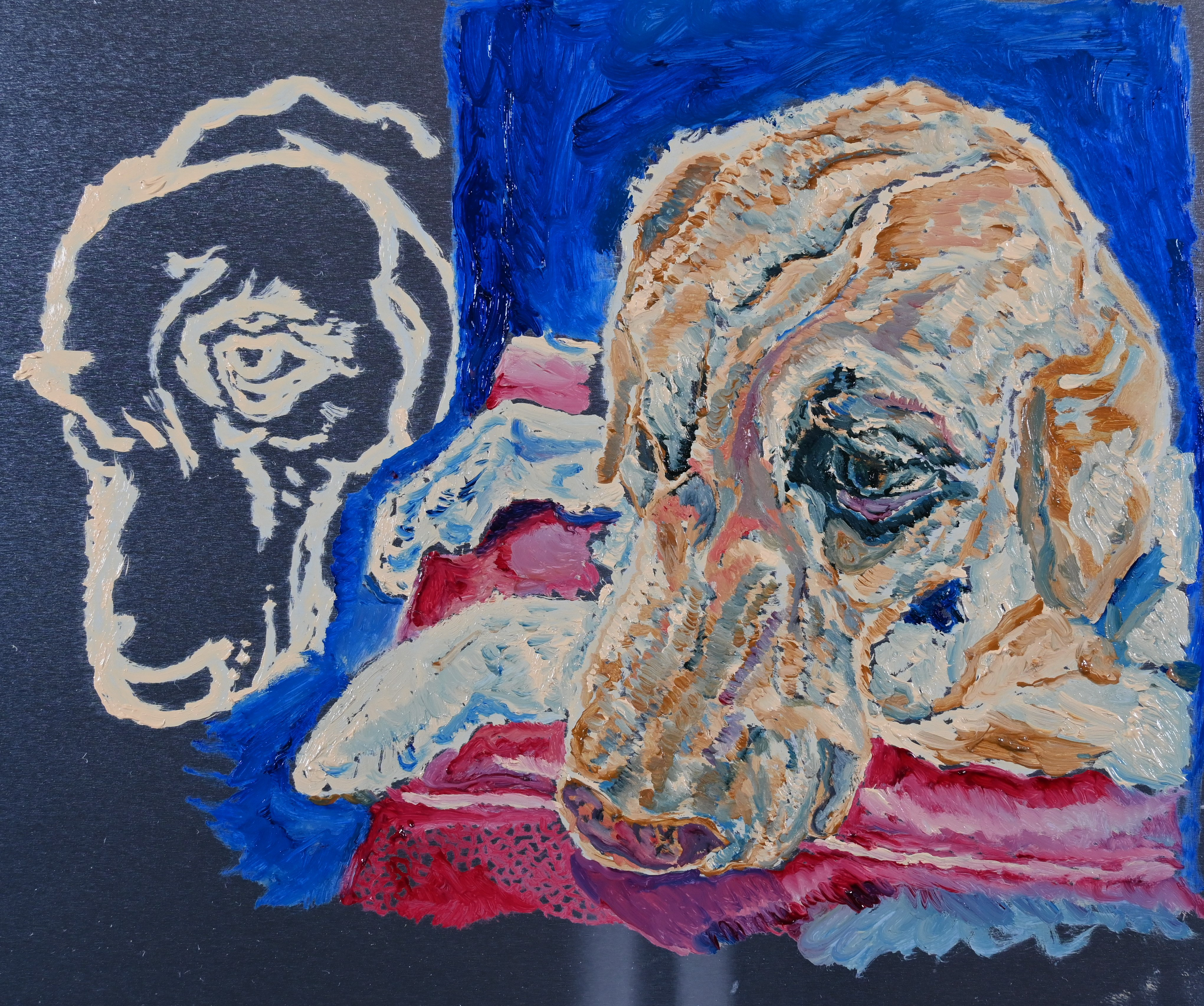 Arche and an Abstraction
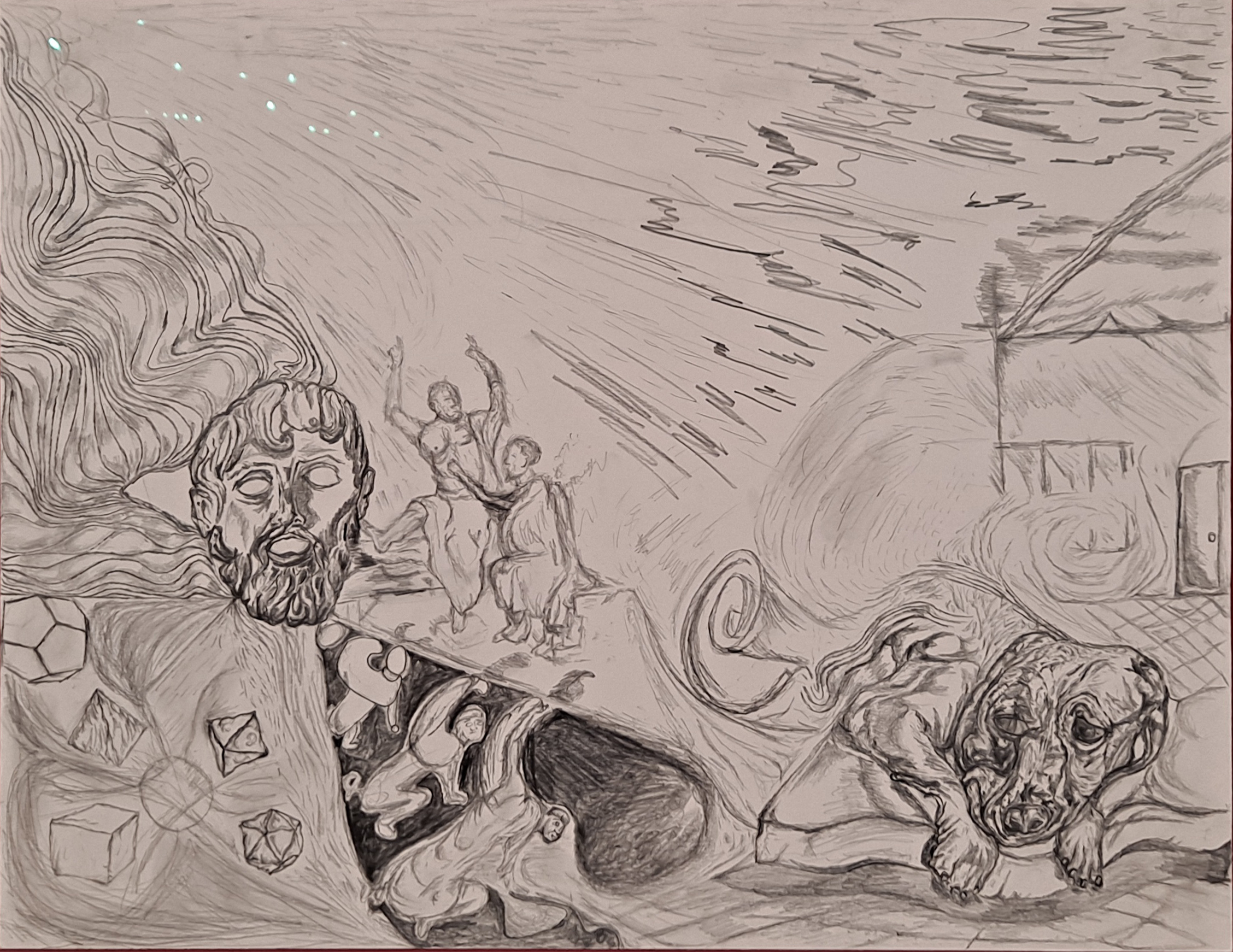 Metaphysical Malaise
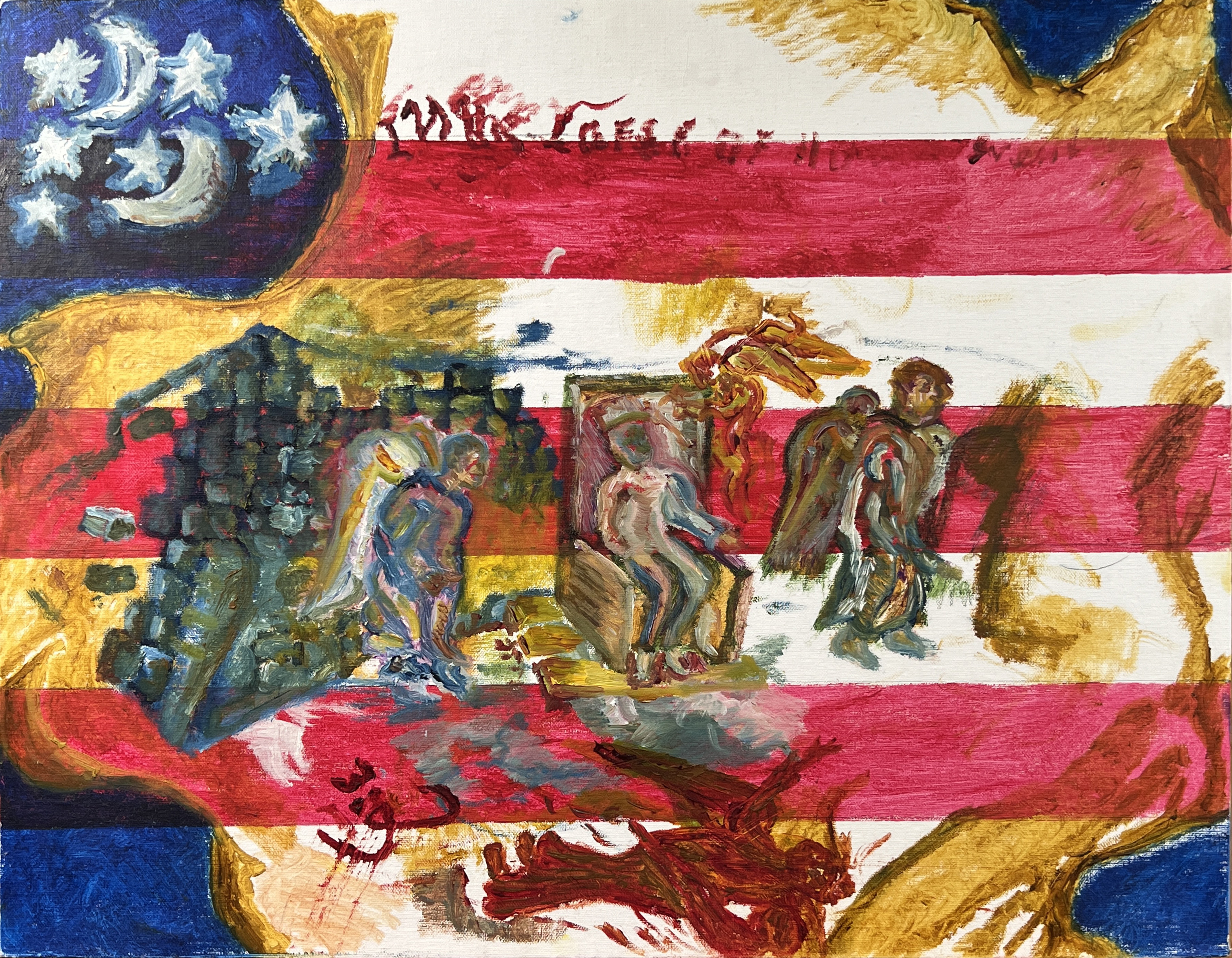 The Immortal Soul
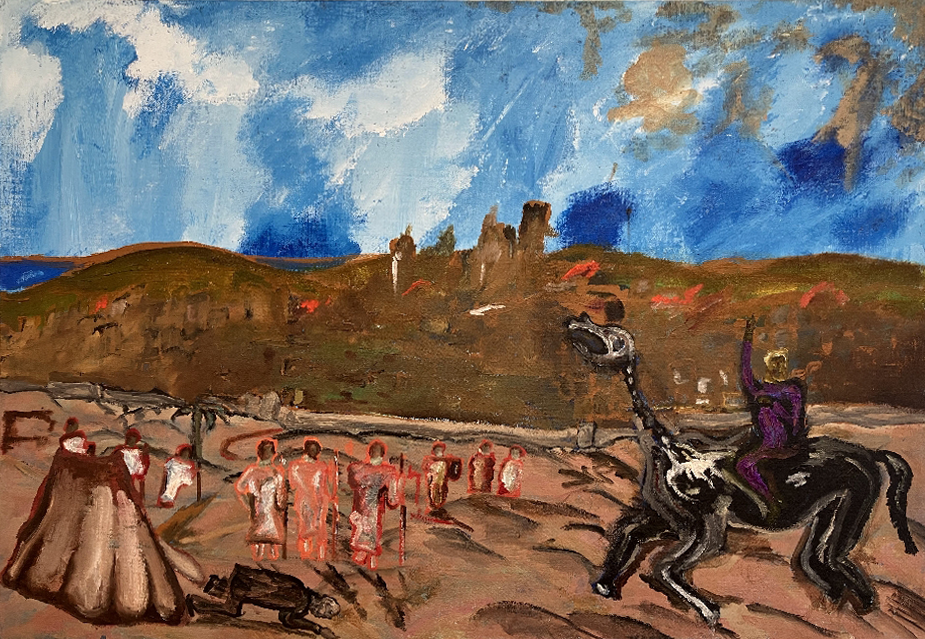 The Siege of Gaza
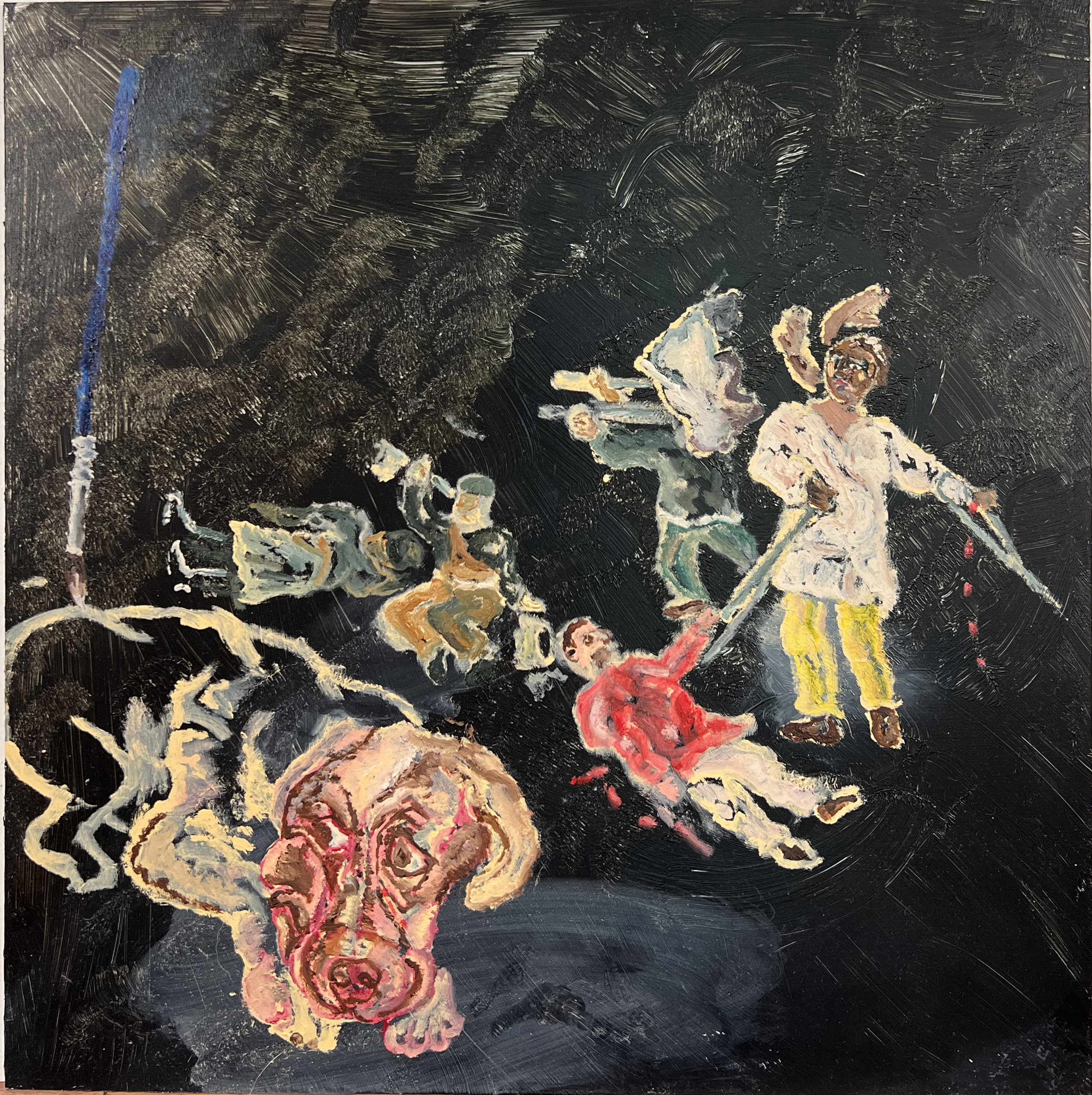 Fomenting Rebellion
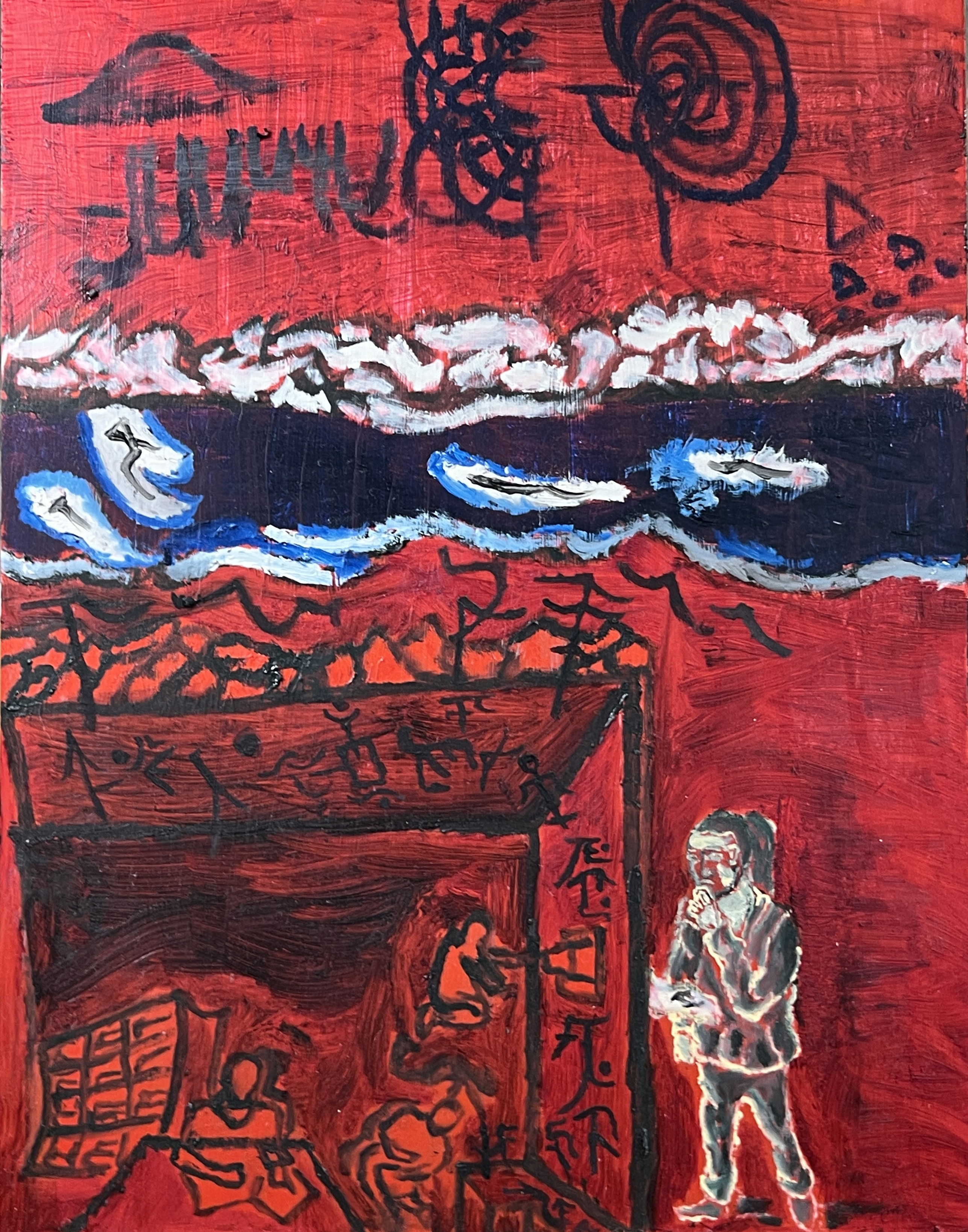 The Chinese Room
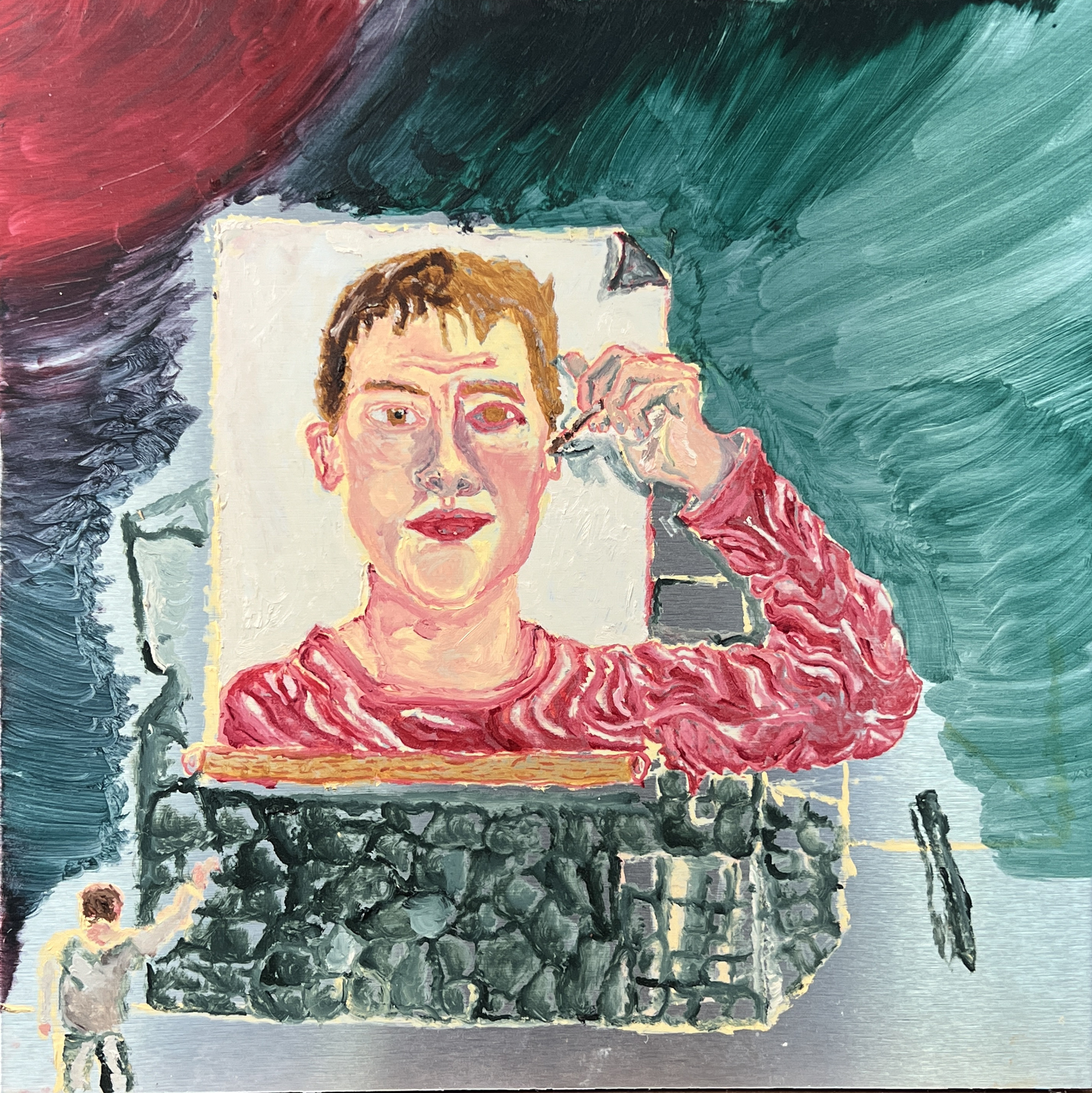 To Be is to Be Perceived Faborably by Self-Absorbed Critics
Click any artwork to view its image and art statement. Use the arrows to explore the collection.